Boxing Bell Redwork: A Seasonal Embroidery Designer’s Review
When I first opened Boxing Bell Redwork, I immediately recognized its potential for seasonal and holiday product lines. As someone who has built multiple Etsy collections around festive embroidery, I look for designs that balance nostalgia with clean stitching. This machine embroidery design delivers exactly that. The redwork style evokes a classic, handmade feel that customers gravitate toward during the holidays. Whether you are an Etsy seller planning a limited-edition drop or a small shop product creator building a cohesive seasonal collection, Boxing Bell Redwork offers a strong foundation.
First Impressions: Seasonal Mood and Emotional Tone
The first thing I noticed was the warm, festive energy. The bell motif paired with redwork stitching creates a nostalgic, cozy mood that fits perfectly into holiday and winter collections. It feels both rustic and elegant — not overly playful, but not stiff either. This balance makes it suitable for a wide range of finished products, from kitchen towels to pillow covers. The emotional tone is inviting and sentimental, which is exactly what holiday shoppers look for when searching for a personalized gift or a family heirloom piece.
The design also carries a subtle spiritual resonance. Bells are often associated with celebration, announcement, and joy. In a seasonal context, this translates well into Christmas, New Year, and even winter wedding collections. The redwork style adds a hand-drawn quality that feels authentic and premium. For buyers who value craftsmanship, this embroidery file communicates care and attention to detail.
How Boxing Bell Redwork Performs in Real Holiday Selling Situations
I have tested Boxing Bell Redwork across several product categories, and it consistently performs well in holiday selling environments. Here is how it works in different scenarios:
- Gift bundles: The design stitches beautifully on small items like ornaments, mug rugs, and gift tags. Pair it with a matching handmade gift set for a cohesive look that sells at a higher price point.
- Etsy listings: The redwork style photographs well in natural light. I recommend creating a printable mockup that shows the design on a cream sweatshirt or a linen towel. This visual clarity builds customer trust and reduces return rates.
- Craft fair displays: The design’s strong contrast and simple lines make it easy to see from a distance. Display it on a tote bag or an apron to draw customers into your booth.
- Limited edition apparel: Sweatshirt embroidery is a popular holiday category. The bell motif works well on the front chest or back yoke. Consider offering it in a few thread colors to match different garment shades.
- Family matching items: Because the design is scalable, you can stitch it on adult and children’s sizes for a coordinated family look. This is a strong selling point for holiday photos.
- Home decor: Pillow cover and kitchen towel embroidery are natural fits. The design’s open areas allow the fabric texture to show through, which adds a handmade charm.
- Social media previews: The redwork style creates a clean, flat visual that works well in Instagram carousels and Pinterest pins. Use a digital embroidery file mockup to show the design in multiple colors.
- Printable promotional graphics: The design’s simplicity translates well into digital previews. You can use it in email newsletters and holiday sale banners without losing detail.
Where to Use Boxing Bell Redwork Carefully
No design is perfect for every surface. After several test stitches, I have identified a few areas where Boxing Bell Redwork requires extra attention:
- Small hoop sizes: If you are stitching on a 4x4 hoop, review the design’s stitch density and detail size. Very small lettering or fine lines may lose definition. Confirm your hoop size before committing to a production run.
- Tiny lettering: If the design includes text, test it on a scrap piece of fabric first. Tiny letters can become distorted on textured or stretchy materials.
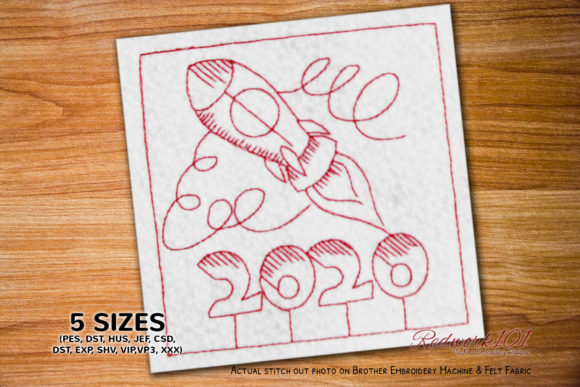
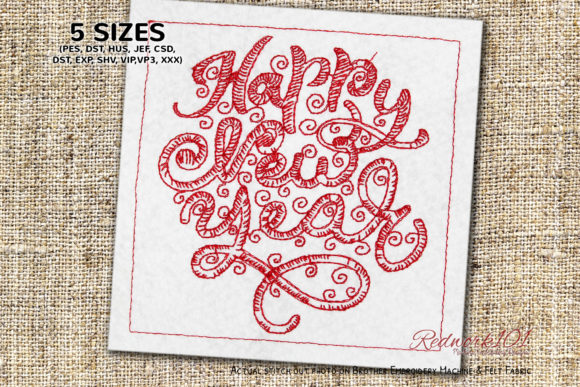
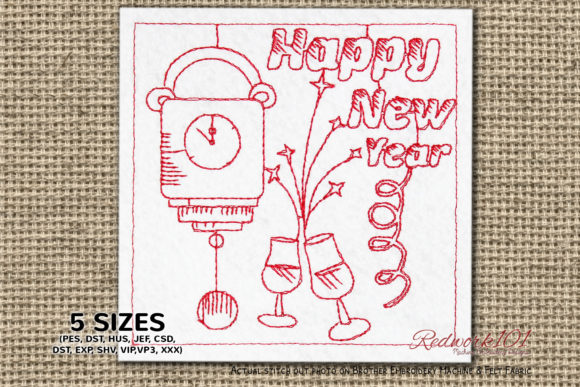
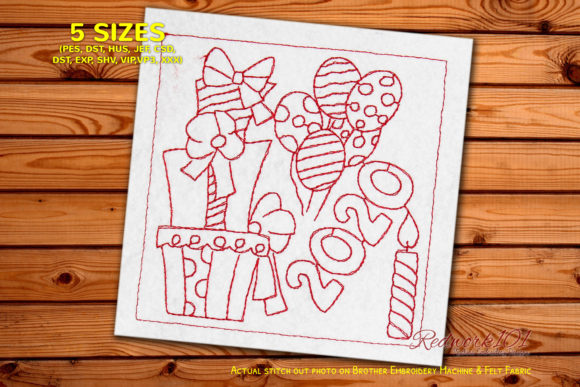
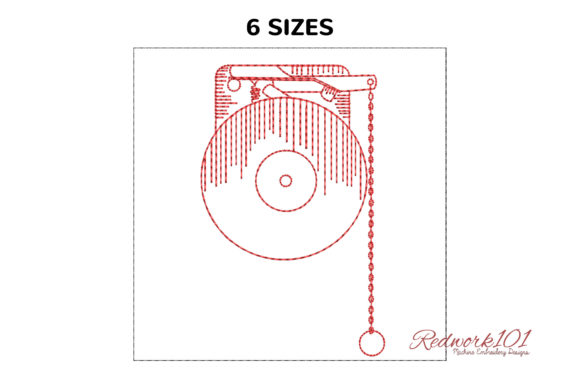
- Layered details: The box stitch shown in the picture is optional. The color of the outer box is different in most designs unless it is part of the design itself. You can skip that color directly in your software. This flexibility is useful, but if you do include the box, make sure your thread colors contrast well with the main motif.
- Thick towels: Terry cloth and thick kitchen towels require a substantial stabilizer. The redwork style uses continuous lines, which can pull on dense loops if not stabilized properly. Use a tear-away or wash-away stabilizer depending on the fabric.
- Dark fabric: Redwork traditionally uses red thread on light fabric. On dark fabric, you may need to adjust thread colors or add a water-soluble topping to keep the stitches crisp. Test before committing to a bulk order.
- Metallic thread: If you want a premium look, metallic thread can work, but it requires slower stitching and a larger needle. This adds time to production and may increase the cost of your finished product.
- Stretchy garments: On sweatshirts and t-shirts, use a cut-away stabilizer to prevent distortion. The bell motif has open areas that can stretch out of shape on knit fabrics.
- Curved caps: Cap frames are tricky. The design’s straight lines and box elements may not curve naturally. I recommend testing on a practice cap before offering it as a product.
- Items needing repeated washing: Redwork relies on contrast. Over time, thread colors may fade if not properly set. Advise your customers to wash finished items inside out in cold water.
Seasonal Appeal, Buyer Emotion, and Product Value
Boxing Bell Redwork taps into several emotional drivers that are critical during holiday shopping periods. The redwork style feels personal and intentional, which builds customer trust and makes the product feel like a handmade gift rather than a mass-produced item. This perception directly increases product value and giftability.
From a visual recognition standpoint, the bell is universally understood. It does not require explanation, which means your product photos can focus on the overall aesthetic rather than describing the motif. This is a huge advantage for Etsy sellers and small shop product creators who rely on quick scrolling and first impressions.
The design also supports brand consistency. If you are building a seasonal collection around redwork or monochrome motifs, Boxing Bell Redwork fits seamlessly. It can be paired with other redwork designs for a cohesive product line that looks curated and intentional. This consistency encourages repeat buyers and helps your shop stand out during the holiday rush.
During the holiday shopping period, engagement is everything. The design’s nostalgic feel invites comments and shares on social media. Customers are more likely to tag your shop when they post a photo of a personalized gift or a family matching item. This organic promotion is invaluable for small businesses.
Practical Embroidery Designer Notes
Here are the practical notes I always review before adding a design to a seasonal collection. These apply directly to Boxing Bell Redwork:
- Test thread colors on both light and dark fabric. Redwork relies on contrast, but the same red thread that looks vibrant on white may appear muddy on heather gray. Stitch a sample on each fabric you plan to use.
- Check stitch density. The design should have enough density to cover the fabric but not so much that it becomes stiff or causes puckering. Adjust if needed in your software.
- Confirm hoop size. The design’s dimensions will determine which hoop to use. If you are working with a small hoop, ensure the motif fits without distortion.
- Use proper stabilizer. For most applications, a medium-weight cut-away stabilizer works well. For towels and thick fabrics, use a heavier stabilizer or a wash-away top layer.
- Create realistic mockups. Before listing, create a printable mockup that shows the design on your chosen product. This helps customers visualize the finished product and reduces questions.
- Review small details after stitching. Some elements that look clear on screen may become blurry in thread. Always stitch a physical sample and inspect it under good lighting.
- Plan matching color palettes. The optional box stitch introduces a second color. Choose a thread color that complements the main red without overpowering it. Soft cream, gold, or dark green work well for holiday collections.
- Confirm commercial licensing. Before selling finished products using this machine embroidery design, review the license terms. Many digital embroidery file sellers offer commercial use, but it is your responsibility to verify.
- Consider fabric texture. The design shines on smooth, tightly woven fabrics. Linen, cotton, and canvas are excellent choices. Avoid heavily textured fabrics that may obscure the fine lines.
Final Thoughts on Boxing Bell Redwork for Seasonal Collections
Boxing Bell Redwork is a thoughtful addition to any holiday embroidery lineup. Its seasonal mood is clear without being cliché, and its redwork style offers a premium, handmade aesthetic that customers love. Whether you are stitching it on a tote bag design, a pillow cover, or an embroidered patch, the design holds up well across a range of products.
I appreciate the optional box stitch feature, which gives you flexibility in your production. You can offer a simple version and a more detailed version, or use the box to frame the design for a polished look. Just remember to skip the outer box color if it is not part of the design itself — your software will let you easily remove that color.
For anyone building a seasonal collection, this design is a reliable choice. It works across Backgrounds and Embroidery categories, and it resonates with buyers looking for thoughtful, gift-ready pieces. As always, test your materials, check your stitch density, and confirm your hoop size before launching. With the right preparation, Boxing Bell Redwork can become a staple in your holiday product lineup.