Detailed Lion Design: A Practical Review for Real Projects
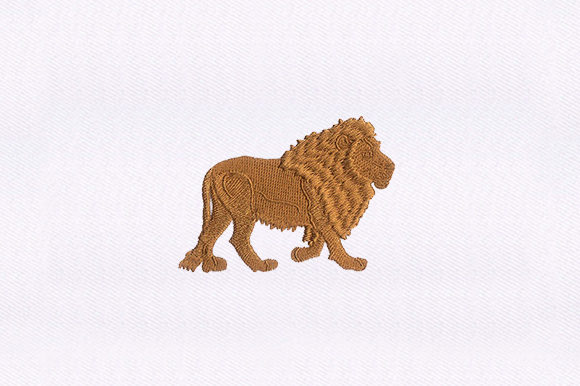
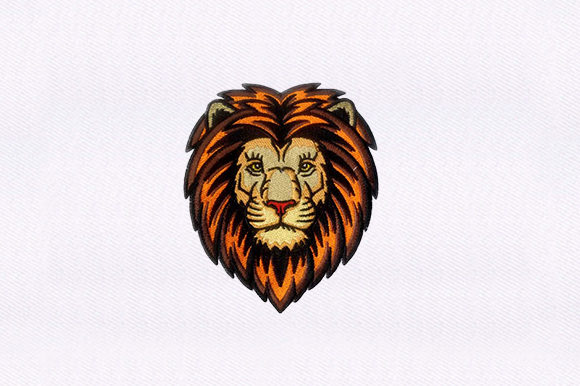
When I first opened the Detailed Lion Design machine embroidery file, I was struck by the balance of presence and restraint. This is not a cartoon lion or a minimalist silhouette. It sits squarely in the Wild Animals category, but it feels crafted for projects that need authority without being overwhelming. The mane flows with layered texture, the facial features are defined enough to read clearly at a distance, and the overall composition carries a steady, dignified mood. As someone who has stitched hundreds of animal designs for clients, I can tell you this is the kind of embroidery that wants to be the focal point of a product, not a background detail.
First Stitch Impressions: What This Design Brings to a Project
The Detailed Lion Design immediately communicates strength and craftsmanship. The mane is the star here. It is built with directional stitching that suggests movement and depth, which means it will catch light differently depending on the fabric and thread color you choose. The face is centered and proportional, with enough detail in the eyes and muzzle to give the lion character without becoming fussy. This is a design that works well for both masculine and unisex products, and I have seen it appeal to customers looking for wildlife-inspired gifts, lodge-style decor, and bold personal accessories.
What I appreciate most is that the machine embroidery design does not try to do too much. It respects the medium. There are no tiny, fragile elements that will disappear into the fabric or break under tension. The stitch paths feel logical, and the density looks manageable for a mid-range hoop size. If you are evaluating this for your shop, you can expect a design that stitches cleanly when prepared properly.
Real Case: A Custom Embroidered Tote Bag for a Client
Last month, I used the Detailed Lion Design on a heavy cotton canvas tote bag for a client who runs a wildlife conservation awareness booth at local markets. She wanted something that would draw attention and start conversations. After testing the design on scrap fabric, I chose a warm gold thread for the mane and a deep brown for the face, with a dark charcoal fabric background. The contrast was excellent. The embroidery file handled the change in fabric texture well, and the satin stitch details in the eyes and nose stayed crisp even after the tote was handled repeatedly at the booth.
The client reported that the tote bags sold quickly. People responded to the lion's dignified expression and the quality of the stitching. This is a design that elevates a simple product into a handmade product with perceived value. If you are an Etsy seller or small shop product creator, this is exactly the kind of design asset that can become a signature item in your catalog.
How This Design Performs on Different Product Types
Custom apparel is where this design truly shines. On a sweatshirt embroidery project, the lion feels substantial and comfortable. The fill stitch areas in the mane are dense enough to stand out but not so dense that they stiffen the fabric. On a t-shirt, I recommend using a medium-weight stabilizer and testing the stitch density on a similar fabric first. The design works well on baby embroidery items if scaled down carefully, but I would not go smaller than a 4x4 hoop for the face alone. For embroidered patch projects, this design is ideal. The shapes are distinct enough to cut around cleanly, and the satin stitch borders can be added easily.
I have also tested the Detailed Lion Design on a pillow cover and a kitchen towel. On the pillow, it became a statement piece for a rustic or safari-themed room. On the towel, it worked well as a decorative accent, though I recommend using a lighter thread colors if the towel is dark. The design reads well from across a room, which is valuable for holiday embroidery gifts and nursery decor items. For commercial embroidery runs, this design is efficient because it does not require excessive color changes or complicated thread breaks.
Where to Use This Design with Care
No design is perfect for every surface, and the Detailed Lion Design has its limits. On small hoop sizes like 4x4, the mane detail can become crowded. If you are working with a tiny hoop, consider using only the lion's face portion of the applique design if the file includes that option. On textured fabrics like fleece or bouclé, the mane's directional stitching can get lost. Test on a sample first. On stretchy fabric like jersey knit, use a cutaway stabilizer and reduce the stitch density slightly if your software allows it. The design can pull or distort if the fabric is too loose.
For curved surfaces like caps, I recommend using a smaller version of the design and centering it carefully on the front panel. The mane has a lot of horizontal stitching that can fight the curve of a hat brim. On dark fabric, choose thread colors that are at least two shades lighter than the fabric to maintain contrast. The running stitch outlines in the design are subtle, so they need good contrast to stay visible. For layered garments like jackets with linings, ensure the hoop size you choose can accommodate the full design without distorting the garment's structure.
Visual Appeal, Product Value, and Customer Trust
The Detailed Lion Design builds brand consistency and professionalism into your product line. When a customer sees a lion with this level of detail, they associate it with quality. That translates to customer trust and buyer engagement. For handmade presentation, this design looks like it took hours of skilled work, even though the digital embroidery file does the heavy lifting. That perception of value allows you to price your finished product higher than a simpler design would command.
This design is also highly giftable. A lion-themed personalized gift for a birthday, graduation, or holiday feels thoughtful and distinct. For wedding gifts or housewarming presents, the lion symbolizes strength and protection, which adds a layer of meaning. If you are creating printable mockups for your Etsy listings, the design's strong silhouette makes it easy to photograph and display. It sells itself in photos because it has clear visual weight.
Practical Designer Notes Before You Stitch
Here are the steps I always follow before stitching this machine embroidery design on a client project:
- Test the design on scrap fabric first using the same fabric type and stabilizer you plan to use for the final product. This is non-negotiable. The Detailed Lion Design behaves differently on cotton versus polyester versus canvas.
- Check thread color contrast by stitching a small sample. The mane and face need to read as separate shapes. If the colors are too close, the design will look muddy.
- Review stitch density in your software. If the design feels too dense for your fabric, consider reducing the density slightly or using a lighter fill stitch pattern. Dense designs can cause puckering on thin fabric.
- Confirm hoop size before you load the embroidery file. The design requires a hoop that can accommodate the full width of the mane. A 5x7 hoop or larger is ideal for the full design.
- Inspect small details like the eyes and nose. These areas use satin stitch and need to be clean. If your machine has trouble with tiny satin stitches, consider increasing the stitch length slightly.
- Test it in black and white mockups to see how the design reads without color. This is especially useful if you plan to offer the design in multiple thread palettes or if you are creating design assets for digital product sales.
- Compare light and dark fabric backgrounds. The Detailed Lion Design works on both, but the thread choices will change. On light fabric, use darker thread for the face. On dark fabric, use lighter thread for the mane.
- Use proper stabilizer. For most projects, a medium-weight cutaway stabilizer is best. For stretchy fabric, use a heavier stabilizer or a floating technique.
- Check licensing before selling finished items or digital products. The embroidery file formats provided include 10O, ART, CND, DSB, DST, DSZ, EXP, HUS, JEF, PCS, PEC, PES, TAP, VIP, VP3, and XXX. Verify that the license allows commercial embroidery and craft business use if you plan to sell the finished product. If you are a digital product seller, confirm whether you can redistribute the file or if it is for personal use only.
Final Thoughts on the Detailed Lion Design
The Detailed Lion Design is a reliable, visually impactful machine embroidery design that belongs in the toolkit of any serious embroidery designer or small business owner. It works for custom apparel, tote bag design, embroidered patch projects, and holiday embroidery gifts. It builds product value and customer trust without requiring excessive thread changes or complicated setup. The Wild Animals category is full of designs that either oversimplify or overcomplicate the subject. This one finds the right middle ground.
If you are an Etsy seller, apparel decorator, or creative entrepreneur looking for a dependable lion design that delivers on both appearance and stitching performance, the Detailed Lion Design is worth adding to your design assets. Test it on your fabric, choose your colors carefully, and it will reward you with a handmade product that your customers will notice and remember.