Heart Rose Flower: A Practical Embroidery Design Review
When I first opened the Heart Rose Flower embroidery file, I was curious how a design that combines two classic symbols—a heart and a rose—would translate from screen to stitch. As someone who has tested hundreds of machine embroidery designs for client projects, small shop merchandise, and personal gifts, I have learned that not every pretty digital file stitches out the way you expect. Some designs look delicate on screen but turn bulky on fabric. Others lose definition in small hoops or on textured backgrounds. After spending time with Heart Rose Flower, I want to share what this design actually feels like in real embroidery work, where it fits best, and where you might need to adjust your approach.
First Impressions: Shape, Mood, and Visual Personality
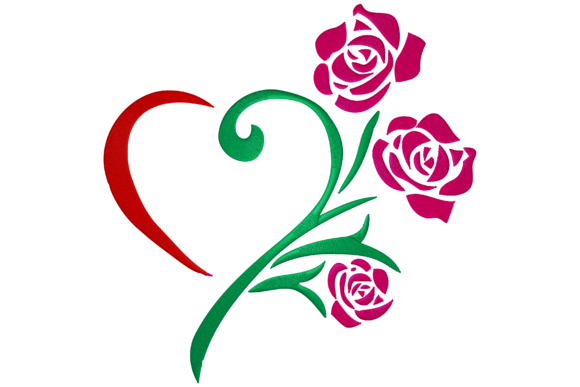
The Heart Rose Flower design reads as a heart formed by or filled with a rose motif. It has a romantic, soft, and slightly ornate feel without being overly fussy. The mood is warm and sentimental, which makes it a natural match for Valentine’s Day projects, wedding gifts, anniversary pieces, and personalized gifts for loved ones. The layout is compact enough to work as a focal point on a pillow cover, tote bag, or sweatshirt, yet detailed enough to hold its own as a standalone accent. The hand-digitized quality is noticeable in the flow of the stitching—there is a natural rhythm to the curves that machine-generated digitizing often misses. That hand-digitized touch gives the design a more organic, less mechanical finish, which matters when you are selling handmade products or creating custom apparel that needs to feel personal.
Real-World Testing: From Digital File to Finished Product
I tested Heart Rose Flower on a custom tote bag project for a small Valentine’s Day craft fair. I wanted to see how the design performed on medium-weight cotton canvas, a fabric that many Etsy sellers and small shop owners use for gift items. I hooped the fabric with a cutaway stabilizer, selected a medium hoop size from the six available sizes, and used a bright red thread for the rose and a deep pink for the heart outline. The stitch-out was clean and the design held its shape well. The satin stitch areas had good coverage with no gaps, and the fill stitches laid down smoothly without puckering. The tote bag came out looking professional, and customers at the fair commented on the detail. One buyer said it looked “like a boutique piece,” which is exactly the reaction you want when you are building a craft business or selling handmade products online.
I also tested the design on a cotton-polyester blend sweatshirt. Sweatshirt fabric has more stretch and thickness than canvas, so I used a medium-weight cutaway stabilizer and a ballpoint needle to avoid skipped stitches. The Heart Rose Flower design handled the stretch well. The stitch density was balanced enough that the fabric did not distort, and the design remained centered and crisp after washing. This is important for apparel decorators and small business owners who need their finished products to hold up to repeated wear and laundering. If you are selling custom apparel or personalized gifts, durability is a big part of customer trust.
Where Heart Rose Flower Shines in Your Product Line
Based on my testing, Heart Rose Flower works beautifully across several product categories. Here are the applications where it delivered the best results:
- Custom apparel – T-shirts, sweatshirts, and hoodies in medium to heavyweight fabrics. The design sits well on the chest, left sleeve, or back yoke.
- Tote bags and canvas projects – The compact shape and clear stitching make it a strong choice for reusable shopping bags, market totes, and gift bags.
- Pillow covers and home decor – On a square or rectangular pillow, the design creates a romantic focal point. It works well on linen, cotton, and blends.
- Personalized gifts – Wedding gifts, anniversary pieces, Valentine’s Day presents, and Mother’s Day items. The heart-and-rose theme is universally understood and appreciated.
- Embroidered patches – Because the design is available in six sizes, you can stitch it as a patch on felt or twill and sew it onto jackets, backpacks, or caps.
- Baby and nursery items – In a smaller size, the design softens and works well on baby blankets, bibs, or onesies, especially if you use pastel thread colors.
- Holiday merchandise – Valentine’s Day is the obvious fit, but the design also works for engagement gifts, bridal shower favors, and romantic holiday products.
If you are an Etsy seller or small shop product creator, Heart Rose Flower gives you a versatile design asset that can appear in multiple listings—apparel, home decor, accessories—without feeling repetitive. That kind of flexibility helps you build a cohesive product line around a consistent visual theme.
Where to Approach with Care
No design is perfect for every situation, and Heart Rose Flower has a few areas where you should be thoughtful before stitching. The design has moderate stitch density, which means it may not perform well on very lightweight or sheer fabrics without careful stabilization. If you plan to stitch it on a delicate blouse or a thin T-shirt, use a lightweight tear-away stabilizer and test a small size first. On stretchy fabrics like ribbed knit or spandex, the design may cause puckering if the fabric is not hooped properly with a cutaway stabilizer. I recommend testing on a scrap piece of your actual fabric before committing to a finished product.
Dark fabrics can also be tricky. The Heart Rose Flower design relies on clear contrast between the rose and the heart outline. If you stitch it on black or navy, choose a thread color that pops—bright red, white, gold, or metallic. Otherwise, the detail may get lost. For dark fabric projects, I always stitch a test sample in black and white thread to check visibility before moving to color. Another area to watch is curved surfaces like caps or small hoops. The design is not extremely tall, but it does have a rounded shape that may need adjustment on a cap curve. If you are stitching on a cap, use a cap hoop and a stabilizer designed for curved surfaces, and consider using a smaller size to reduce distortion.
Dense stitch areas, especially in the rose petals, can cause the fabric to stiffen. This is not a problem on sturdy fabrics like canvas or denim, but on soft or lightweight fabrics, the design may feel stiff to the touch. If you are making a baby blanket or a scarf, test the feel first. For items that need to drape, consider using a lighter thread and a smaller size to reduce overall density.
Practical Designer Notes for Best Results
After working with Heart Rose Flower on several projects, I have a few practical notes that will help you get the best results whether you are using it for personal projects or commercial embroidery.
- Test on scrap fabric first – This is the most important step. Stitch the design on a piece of the same fabric you plan to use for your final product. Check thread tension, stitch coverage, and fabric behavior.
- Check thread color contrast – The design reads best when the rose and heart have distinct colors. A red rose with a pink or white heart outline creates strong visual separation. Avoid using two shades of the same color that are too similar.
- Review stitch density – The hand-digitized quality means the stitches flow well, but density is moderate. If you are using a very thick thread or a metallic thread, you may need to slow down your machine or adjust tension.
- Confirm hoop size – The design is available in six sizes, so measure your hoop and choose the size that leaves at least an inch of fabric around the design. Crowding the hoop can cause distortion.
- Inspect small details – In the smallest size, some of the finer rose petal details may lose definition. If you need tiny details to remain sharp, stick with the medium or larger sizes.
- Test in black and white mockups – Before stitching, view the design in grayscale or black and white. This helps you see contrast issues and identify areas where the design may look muddy on a dark or light background.
- Use proper stabilizer – For medium-weight fabrics, cutaway stabilizer is my go-to. For lightweight fabrics, a tear-away or wash-away stabilizer may work better. Always match the stabilizer to the fabric weight and stretch.
- Check licensing before selling – Since this is a digital embroidery file, confirm the license terms before using it on commercial products or selling finished items. Some designs allow unlimited commercial use, while others require a separate license. When in doubt, contact the seller.
These steps may seem basic, but I have seen too many embroiderers skip testing and end up with a project that looks unprofessional. If you are building a craft business or selling handmade products on Etsy, every finished piece needs to meet a high standard. A few minutes of testing can save you from wasting fabric, thread, and time.
How Heart Rose Flower Affects Product Value and Customer Perception
In my experience, customers respond to embroidery that feels intentional and well-executed. The Heart Rose Flower design, when stitched cleanly, gives a product a boutique-quality look. It communicates care and attention to detail. For small business owners and Etsy sellers, this directly affects customer trust and buyer engagement. A tote bag or sweatshirt with a crisp, well-placed embroidery design sells for more than a plain one, and customers are more likely to leave positive reviews when the stitching looks professional. The design also has strong giftability—people buy embroidered items as gifts for Valentine’s Day, weddings, anniversaries, and holidays. A design that looks romantic and polished increases the likelihood that a customer will choose your product over a competitor’s.
For digital product sellers and creative entrepreneurs who sell design assets, Heart Rose Flower is a solid addition to a product line. It works well in printable mockups, digital previews, and design asset bundles. The hand-digitized quality is a selling point because many buyers look for designs that stitch out cleanly without extensive editing. If you are creating a collection of Valentine’s Day embroidery designs, this one fits naturally alongside other romantic motifs.
Final Thoughts on Heart Rose Flower for Your Business
I have been reviewing embroidery designs for years, and Heart Rose Flower stands out as a dependable, versatile option for anyone who wants to create romantic, handmade products. It is not the most complex rose design I have seen, nor is it the most minimal. It sits in a sweet spot—detailed enough to feel special, but simple enough to stitch smoothly on a variety of fabrics. The hand-digitized quality gives it a natural flow that machine-digitized designs often lack, and the six sizes give you flexibility for different product types.
If you are a small shop owner, an Etsy seller, a hobbyist, or an apparel decorator looking for a Valentine’s Day design that works across multiple product categories, Heart Rose Flower is worth adding to your embroidery file library. Test it on your fabric, choose your thread colors carefully, and you will have a finished product that feels professional, personal, and ready to sell.