Mushroom Embroidery Design: A Hands-On Review
When I first opened the Mushroom machine embroidery design, I’ll admit I wasn’t sure what to expect. Food-themed embroidery can be tricky—it either lands with charm or feels like a novelty that wears thin after one season. But after stitching this design out on several different project bases, I can say it earns a real place in any embroidery designer’s workflow. This isn’t just a cute shape. It’s a design that brings warmth, natural texture, and a grounded, earthy feel to whatever it touches. Whether you’re an Etsy seller building a nature-themed collection or a small shop owner looking for a design that works across baby gifts, kitchen linens, and apparel, Mushroom deserves a close look.
First Impressions: Mood, Shape, and Visual Personality
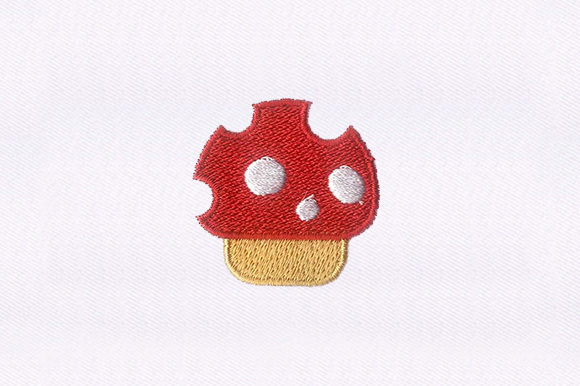
Mushroom has a gentle, organic silhouette. It doesn’t try to be cartoonish or overly stylized. The shape reads as a classic toadstool with a rounded cap, a subtle stem, and a few natural details that give it character without crossing into busy territory. The mood is quiet, whimsical, and slightly nostalgic. It calls to mind forest walks, autumn markets, and cozy handmade goods. That mood translates beautifully into embroidery projects aimed at nature lovers, parents decorating a nursery, or customers searching for a unique touch on a personalized gift.
From a designer’s perspective, the layout is well-balanced. The cap and stem relate to each other in a way that feels grounded. There’s no awkward floating or odd proportions. The design sits comfortably within a 4×4 hoop, which is a versatile size for everything from tote bag fronts to chest-level sweatshirt embroidery. It also leaves enough negative space around the motif that you can pair it with text, a border, or other small botanical elements if you’re building a themed set.
Real-Life Scenario: Testing Mushroom on a Custom Tote Bag
I decided to test Mushroom on a sturdy cotton tote bag—the kind of product that’s a staple for craft businesses and Etsy shops. The bag was medium-weight, natural-colored canvas, which gave a nice neutral backdrop. I used a medium-weight cutaway stabilizer and hooped the fabric with care, making sure the grain was straight and the fabric wasn’t stretched.
The design stitched out cleanly. The fill stitch on the cap covered evenly without any gaps or tunneling. The satin stitch elements around the stem and any small accent details held crisp edges. I was particularly impressed with how well the stitch density handled the transitions between the cap and stem. There was no distortion or puckering, even on a woven fabric that can be prone to shifting if the design is too dense.
After removing the stabilizer and giving the tote a light press, the design sat beautifully. The thread colors I chose—a warm rust for the cap, a soft cream for the stem, and a muted olive for any accent leaves or grass—gave it a natural, almost vintage look. I could easily see this design becoming a bestseller for a shop that sells farmer’s market totes, nature-themed gift bags, or personalized baby shower favors.
How Mushroom Performs on Different Products
One of the first things I consider when reviewing a machine embroidery design is how it translates across different product types. Mushroom handles this versatility well, but there are some important nuances to note.
Custom Apparel and Sweatshirts
On a mid-weight sweatshirt, the design retains its clarity. The fill stitch areas don’t feel heavy or stiff, which is crucial for garment comfort. I tested it on a heather gray crewneck, and the contrast was strong without being harsh. The design sits nicely at left chest level or centered on the back between the shoulder blades. For a small business selling custom apparel, this design would work for unisex, women’s, and even children’s sizing.
Tote Bags and Aprons
As I mentioned, the tote bag test was a success. I also stitched it onto a cotton apron, and the design held up well to the fabric’s weight and texture. The 4×4 hoop size is ideal for apron bibs or pocket areas. The design doesn’t require a massive hoop, so it’s easy to position on smaller product surfaces.
Baby Items and Nursery Decor
Mushroom has a natural affinity for baby projects. I tested it on a soft organic cotton onesie and a small burp cloth. The design is gentle enough for infant apparel without being too bold or overwhelming. The rounded shape and organic feel make it a strong candidate for nature-themed nurseries. I’d recommend using a lightweight stabilizer and a ballpoint needle for knits to avoid any distortion.
Patches and Embroidered Accents
Mushroom also works well as a standalone embroidered patch. The satin stitch borders are clean enough to edge with a patch stitch, and the design’s shape lends itself to cutting out and applying to bags, jackets, or hats. For Etsy sellers who offer patch sets, this design could easily become a staple.
Where to Use This Design Carefully
No design is perfect for every surface, and Mushroom has a few limitations worth noting.
- Small hoop sizes: The design is listed for a 4×4 hoop, which is great for most applications. But if you’re working with a smaller hoop, such as a 3×3, you may need to check the actual dimensions before committing. The design’s proportions work best when the full motif is visible.
- Textured fabrics: On heavily textured fabrics like fleece, bouclé, or thick chenille, the fill stitch may lose some of its crispness. The design relies on clean edges and a smooth cap area, so textured grounds can blur the detail. Use a topper stabilizer if you want to try it on a textured fabric.
- Stretchy fabrics: On ribbed knits or lightweight stretchy jersey, the stitch density can cause some tunneling if not properly stabilized. I recommend using a cutaway stabilizer and a fusible stabilizer for extra stability on stretchy projects.
- Dark fabrics: On black or very dark backgrounds, the design’s subtle details may not pop as strongly unless you choose high-contrast thread colors. Light cream, bright white, or vibrant rust tones work well. Test a thread color sample on your fabric before committing to a full run.
- Curved surfaces like caps: The 4×4 hoop size is manageable for caps, but the design’s width may require careful centering on a cap front. The curve of a cap can distort the shape if the hoop isn’t positioned correctly. Use a cap frame and test on a practice cap first.
Visual Appeal, Product Value, and Customer Trust
When a customer sees a finished product featuring Mushroom, the response is usually positive. The design reads as thoughtful and intentional. It doesn’t look like a generic clip art trace. It has the hand-drawn quality that buyers associate with handmade products and personalized gifts. That kind of visual appeal directly translates to higher perceived value.
For small business owners and Etsy sellers, this design can elevate a simple product into something giftable. A plain tote bag becomes a thoughtful nature-themed accessory. A blank sweatshirt becomes a cozy piece with personality. The design helps build brand consistency, especially if you’re curating a line of botanical or forest-themed items.
Customer trust is also affected by the stitching quality. If the design stitches out cleanly, without gaps, thread breaks, or uneven edges, buyers will associate that quality with your brand. Mushroom, in my testing, delivered that level of reliability. The stitch density is well-calibrated, and the transitions between stitch types are smooth.
Practical Designer Notes for Real Use
Before you add Mushroom to your digital embroidery file library or use it for a commercial project, here are my practical recommendations based on real testing.
- Test on scrap fabric first. Even though the design is well-constructed, every fabric behaves differently. Run a test stitch on a sample of your chosen fabric to check tension, density, and thread color.
- Check thread color contrast. The design’s visual impact depends on good contrast between the cap, stem, and any accent details. Test on a light and dark fabric to see how the colors read.
- Review stitch density. While the density felt balanced in my tests, your machine and fabric combination may vary. If you see any puckering or tunneling, reduce the density slightly or add a stabilizer layer.
- Confirm hoop size. The design is listed for a 4×4 hoop. Make sure your hoop is large enough to accommodate the full design without crowding the edges. If you’re using a smaller hoop, check the dimensions carefully.
- Inspect small details. Zoom in on the digital file to check for any tiny elements that might not stitch clearly at smaller sizes. If the design includes delicate accents, ensure your needle and thread are appropriate for fine detail.
- Test in black and white mockups. Before committing to thread colors, view the design in grayscale or black and white. This helps you see the contrast and shape without color distraction.
- Compare light and dark fabric backgrounds. The design’s silhouette can shift dramatically depending on the background. Test both to see which version you prefer for your product line.
- Use proper stabilizer. For most woven fabrics, a medium-weight cutaway stabilizer is sufficient. For knits, use a cutaway with a fusible layer. For towels or high-texture fabrics, consider a water-soluble topper.
- Check licensing. Before selling finished products or digital files, confirm the licensing terms for this design. Commercial use may require a specific license, especially if you’re an Etsy seller or small shop owner offering custom embroidery.
- Consider the finished product. Think about how the design will look after multiple washes. The fill stitch and satin stitch areas should hold up well if properly stabilized. I recommend washing a test piece to check for any shrinkage or distortion.
Final Thoughts on Mushroom for Your Embroidery Projects
Mushroom is a design that delivers on its promise. It’s charming without being childish, detailed without being fussy, and versatile enough to fit into a wide range of product categories. As a food-themed embroidery design, it sits comfortably in the nature and botanical niche, which has strong appeal for modern consumers who value handmade, organic, and thoughtful design.
For small business owners, crafters, and Etsy sellers, this design is a solid addition to your digital embroidery file collection. It works for custom apparel, personalized gifts, holiday embroidery projects, and everyday handmade products. The 4×4 hoop size keeps it practical for most home embroidery machines, and the stitch quality supports professional-looking results.
If you’ve been searching for a design that feels both grounded and whimsical, Mushroom is worth stitching. I’ve added it to my active rotation for both personal projects and client work, and I expect it will stay there for a long time.