Deco Quilting: A Designer's Review for Boutique Sweatshirt Embroidery
When I first opened the Deco Quilting machine embroidery design file, I was preparing for a limited sweatshirt drop with a small boutique brand. The client wanted something that felt both nostalgic and fresh, something that could stand alone on a chest or work as a subtle sleeve accent. The SKU E-21616 specification lists it as a machine embroidery design with a 4×4 hoop size, and from the moment I previewed the stitch simulation, I knew this design had real potential for custom apparel.
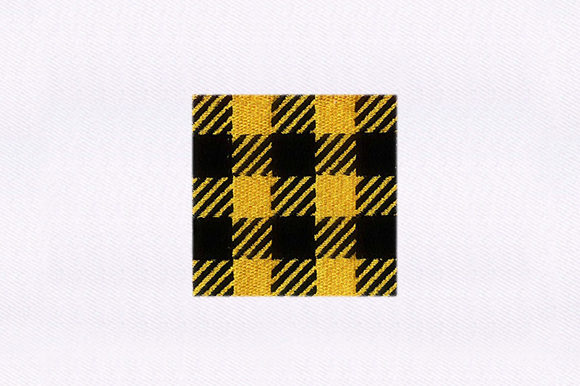
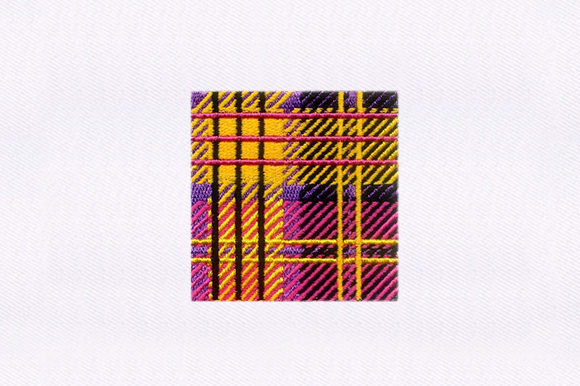
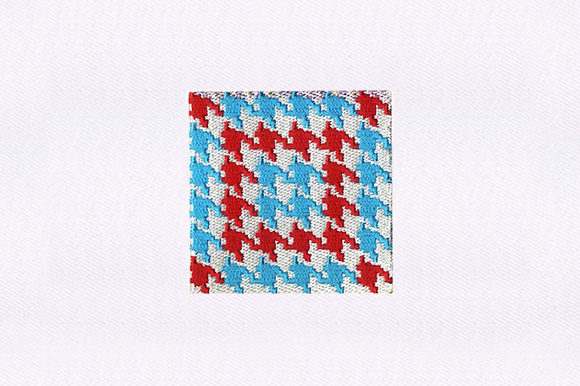
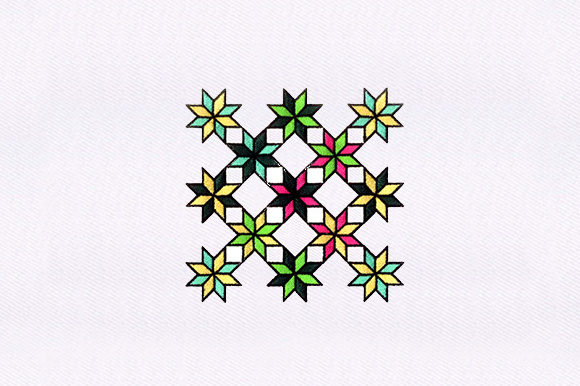
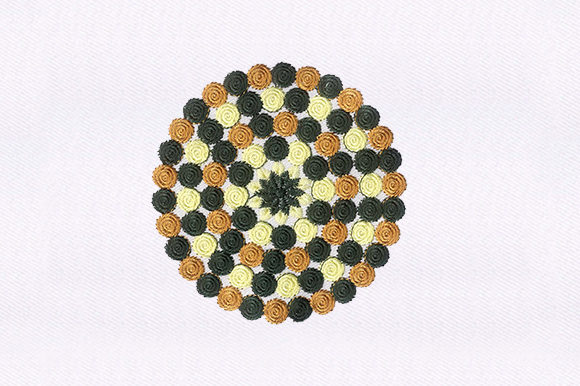
The name itself, Deco Quilting, suggests a blend of decorative patterning and the cozy, tactile feel of quilted textiles. That is exactly what the embroidery file delivers. It reads as a repetitive, geometric motif with a soft, handcrafted rhythm. It does not scream for attention. Instead, it invites the viewer to look closer, to appreciate the stitching personality and the way the thread builds texture on the fabric.
First Impressions: Mood, Layout, and Stitching Personality
The immediate mood of Deco Quilting is warm, nostalgic, and slightly rustic. The repeating pattern feels like something you might find on a vintage quilt or a well-loved heirloom piece. It is not overly modern or stark. Instead, it carries a handmade quality that aligns perfectly with the values of a small shop product. The layout is dense enough to feel substantial but not so crowded that it loses air or becomes stiff.
As an embroidery designer, I pay close attention to how a design will read at different sizes. The 4×4 hoop size gives a clear constraint, but within that, Deco Quilting offers a balanced composition. The motifs are distinct, and the negative space between elements allows the fabric texture to show through. This is crucial for sweatshirt embroidery, where the base fabric is often a thick fleece or French terry. The stitch density feels appropriate for a decorative piece, not so heavy that it puckers on a sweatshirt front, but dense enough to create a rich, dimensional look.
I would describe the overall aesthetic as a mix of minimal and decorative. It is not overly cute or purely feminine, but it has a softness that makes it feel approachable. It leans slightly rustic but stays refined enough for a boutique collection. The design does not overwhelm the garment; it enhances it. That is the mark of a well-considered embroidery file.
How Deco Quilting Performs on Sweatshirts and Hoodies
When I tested Deco Quilting on a neutral-toned sweatshirt, the results were immediately promising. The design sat well on the chest, centered just below the collarbone, and the geometric repeat created a subtle anchor point for the eye. On a darker fabric, like a charcoal or navy hoodie, the thread contrast really came to life. The stitching popped without being loud, and the pattern added a layer of visual interest that felt premium.
Pastel sweatshirts, such as blush, sage, or powder blue, gave the design a completely different personality. On those lighter shades, Deco Quilting felt softer and more feminine, almost like a decorative trim on a cozy piece of apparel. The same embroidery file that read as bold on dark fabric became delicate and sweet on pastel. This versatility is a huge advantage for a boutique brand that wants to offer the same design across multiple colorways.
For oversized hoodies, the 4×4 hoop size works beautifully as a chest design. It does not need to be large to make an impact. In fact, the compact size of Deco Quilting feels intentional and curated, rather than slapped on. I also experimented with sleeve placement, positioning the design near the cuff or just above the elbow. The result was a subtle accent that felt like a branding signature rather than a full-on graphic. For back designs, the pattern could be repeated or scaled, but within the single hoop size, it works best as a focused motif.
In the context of seasonal apparel, Deco Quilting shines. It feels right for fall and winter collections, where the quilted vibe aligns with cozy layers, but it also works for spring when stitched in lighter thread colors. The design does not feel tied to any one season, which makes it a smart investment for an Etsy seller or a small shop product line.
Practical Designer Concerns: Thread, Density, and Fabric
Let me talk about the real technical aspects that matter in commercial embroidery. The stitch density of Deco Quilting is a key factor. From the preview, the design appears to have a moderate to high stitch count, which is typical for a repetitive geometric pattern. On a thick sweatshirt fabric, this density is manageable, but it requires the right stabilizer. I recommend a tear-away or cut-away stabilizer depending on the fabric stretch. For fleece, a medium-weight cut-away stabilizer will help maintain the design's integrity through washing and wear.
Fabric thickness is another consideration. Sweatshirt fleece can be bulky, and a 4×4 hoop requires careful hooping to avoid shifting. The design itself is not overly large, so hooping is straightforward, but the density means that the needle will penetrate the fabric multiple times in a small area. This can create a slight stiffness, which is actually desirable for a quilted look. The finished texture will feel slightly raised, like a patch, which adds to the handmade product appeal.
Thread color contrast is where the designer's eye comes into play. For Deco Quilting, I tested a monochrome thread on a neutral background, and the result was understated and elegant. Then I tried a contrasting thread, like a gold or copper on a dark navy sweatshirt, and the design took on a completely different mood. It became more decorative, almost like a piece of jewelry on the garment. The design can handle both approaches, which gives the boutique brand flexibility in their product photography and mockup presentations.
Washing durability is a concern for any custom apparel. Because the stitch density is balanced, I do not anticipate excessive shrinkage or distortion after laundering. However, I always advise testing a sample first. The stabilizer choice and thread quality will significantly affect how the design holds up over time. For a boutique brand that values buyer trust, testing a finished product sample is non-negotiable.
Small-Size Readability and Hoop Placement
One of the first things I check in any machine embroidery design is how it reads at a small scale. The 4×4 hoop size is a standard, and Deco Quilting fills that space well. The individual motifs are clear and distinct, even when viewed from a distance. This is important for sweatshirt embroidery, where the design might be seen from across a room or in a lifestyle photo on an Etsy listing.
The design does not rely on tiny details that will disappear in the stitching. Instead, it uses repetition and shape to create impact. This makes it a strong choice for a small shop that wants a design that is both recognizable and readable. If you are considering this for a hoodie design, think about the placement. A centered chest placement is classic, but I also like the idea of a slightly off-center placement, near the shoulder, for a more modern boutique feel.
For sleeve accents, the 4×4 size is ideal. It sits neatly on the upper arm or near the cuff without overwhelming the sleeve width. On an oversized hoodie, the sleeve is wide enough to accommodate the design comfortably. Just be careful with the hoop placement on a sleeve. The fabric can be tricky to hoop smoothly, but with a little patience and a good grip, it works well.
How Deco Quilting Affects Product Value and Brand Identity
From a branding perspective, Deco Quilting adds a layer of sophistication to a garment. It does not look like a mass-produced graphic. It looks like a deliberate, thoughtful design choice. For a boutique brand, this is gold. The design helps build a visual identity that feels curated and intentional. Customers who buy handmade product or limited drops are looking for that attention to detail.
In product photography, the design performs well. The repetitive pattern catches the light and creates shadows that add depth to the image. For mockup previews, the design reads clearly at various zoom levels. Whether you are using a printable mockup or a digital embroidery file preview, the design will look appealing in the listing. This can directly impact buyer engagement and conversion rates on a platform like Etsy.
The design also supports the perception of a premium product. When a customer sees a well-executed embroidery on a sweatshirt, they associate it with quality. The Deco Quilting design, with its quilted inspiration, feels like a special detail. It is not just a logo or a text; it is a pattern that tells a story. That story resonates with buyers who value craft and originality.
Final Thoughts on Deco Quilting for Boutique Apparel
After evaluating Deco Quilting for this sweatshirt project, I am confident that it is a strong addition to any boutique brand's design assets. It is versatile enough to work across neutral, dark, and pastel fabrics. It fits comfortably within a 4×4 hoop size, and its stitch density is appropriate for commercial embroidery. The design reads as both decorative and minimal, which makes it easy to style for different seasons and collections.
For the small shop owner or Etsy seller, this embroidery file offers a reliable foundation for a product line. It does not require heavy customization to look good, but it also leaves room for creative thread choices and placement options. The Deco Quilting design feels like a finished product waiting to happen, and that is exactly what I look for when reviewing a design for a real boutique project.
As always, I recommend testing a sample before committing to a full production run. Check the stitch count, confirm the file format compatibility, and test the design on your specific fabric. The Bedroom category placement and Embroidery type designation are accurate for this design, but the real magic happens when you see it stitched on a sweatshirt, ready to ship to a customer who appreciates the handmade touch.
If you are building a limited drop or a seasonal collection, Deco Quilting deserves a spot in your lineup. It is a design that works hard for the brand, adding value, visual interest, and a sense of care that buyers can feel.