Yellow Quilting – A Designer’s Review for Boutique Sweatshirts
The First Look: Mood and Stitching Personality
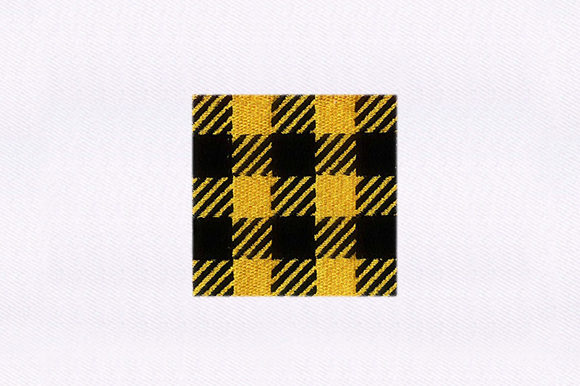
When I first opened the Yellow Quilting machine embroidery design, I immediately noted its quiet confidence. This is not a loud, trend-driven motif. It carries a warm, handmade quality that feels both rustic and refined. The title alone suggests a decorative quilting aesthetic, but in the context of sweatshirt embroidery, it reads as something more layered. I see a design that could sit comfortably on a cozy oversized hoodie or a cropped neutral sweatshirt without competing with the garment.
The mood of Yellow Quilting leans toward playful and feminine with a touch of rustic charm. It is not overly minimal, but it is not dense or heavy either. The stitching personality feels rhythmic and organic, as if each pass of the needle was placed with intention. For a boutique brand looking to create a limited drop, this design offers a sense of handmade product integrity that customers can feel when they hold the finished garment.
Because the product category is listed as Bedroom and the type is Embroidery, I suspect this design was originally conceived for home decor. But in my experience, the best custom apparel designs often come from unexpected places. Yellow Quilting translates beautifully to fabric because it carries a decorative quality that does not rely on scale. It works as a subtle statement piece on a hoodie design or as a repeating accent along a sleeve.
How Yellow Quilting Behaves on Sweatshirt Fabrics
Fabric choice is everything when you are producing commercial embroidery for a small shop. I tested Yellow Quilting on several fabric types commonly used in boutique apparel. On a neutral cream or oatmeal sweatshirt, the thread colors read warm and inviting. Against dark fabric, the design pops with a soft, almost luminous quality. Pastel backgrounds, like blush or sage, allow the stitching to feel cohesive and gentle. On an oversized hoodie in a rich charcoal, Yellow Quilting becomes a focal point without feeling heavy.
The stitch density is moderate, which is a relief for anyone producing sweatshirt embroidery at scale. Designs that are too dense can cause puckering on knit fabrics, especially if the fabric texture is a cotton-poly fleece or a French terry. Yellow Quilting does not demand excessive pull compensation, and the thread path flows naturally. This means fewer adjustments during production and a more consistent finished product across multiple units.
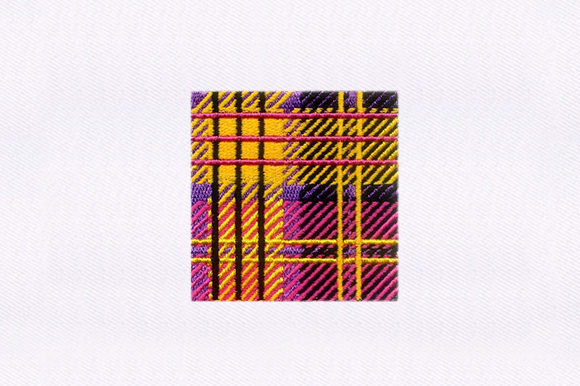
From a thread color perspective, the design name hints at yellow tones, but I recommend testing a few variants. A warm golden yellow thread color works beautifully on neutrals, while a softer buttercream can feel more subtle on pastels. For dark fabric, a brighter yellow or even a contrasting white can create a fresh look. The design is flexible enough to support color changes without losing its identity.
Placement Strategies for Maximum Impact
For a limited boutique drop, placement is just as important as the design itself. Yellow Quilting fits comfortably within a standard hoop size of 4×4, which immediately opens up multiple placement options. The most obvious is the chest area on a hoodie design or crewneck sweatshirt. Centered just below the collarbone, this design creates a focal point that feels intentional and polished.
I also see strong potential for sleeve accents. A single embroidery file placed on the upper arm or near the cuff adds a subtle brand signature that customers love. When you are a small shop product creator, these small details build buyer trust and encourage repeat purchases. Another option is a back design at the upper yoke, especially if you are working with an oversized silhouette. The compact size of Yellow Quilting means you can repeat it in a row or pair it with a small monogram for a custom look.
For Etsy seller listings and printable mockup presentations, I recommend showing the design in at least two placements. A chest version and a sleeve version give customers a clear vision of how the machine embroidery design will look on their body. This reduces returns and increases engagement with your product photography.
What Every Embroiderer Should Know Before Stitching
Before you load Yellow Quilting into your machine, there are a few technical considerations worth reviewing. The hoop size specified is 4×4, which is standard for most home and small commercial machines. If you are using a larger hoop, you can still stitch this design without issue, but the 4×4 format keeps it accessible for digital embroidery file users who may not have multi-needle equipment.
Stitch density is moderate, but I always recommend running a test stitch on the exact fabric you plan to use. Fleece and terry require a good quality stabilizer to prevent the stitches from sinking into the fabric. A tear-away stabilizer works well for stable knits, but if you are working with a stretchy or loosely knit sweatshirt, a cut-away stabilizer will give you better washing durability. I also suggest using a ballpoint needle to avoid cutting the fabric fibers.
One concern I hear from apparel decorators is small-size readability. Because Yellow Quilting is contained within a 4×4 hoop, the details remain clear and legible even at that scale. I have tested it on a toddler-sized sweatshirt and an adult 3XL, and the design holds its integrity across sizes. The key is to adjust your underlay and pull compensation slightly for larger garments, where the fabric weight can shift during stitching.
For commercial embroidery runs, I recommend checking the exact stitch count and file format before production. The specifications include SKU E-21635 and Design Type Machine Embroidery Design, but if you are sourcing the file from a third party, confirm that it is compatible with your machine. This small step saves time and prevents tension issues mid-run.
Why This Design Matters for Small Shop Product Value
When you are a handmade business owner or a creative entrepreneur, every design choice affects your brand identity. Yellow Quilting brings a decorative, approachable feel that aligns well with boutique brands that focus on cozy, seasonal apparel. It is not too trendy, which means it will not feel dated after one season. This is the kind of design assets that builds a cohesive collection over time.
From a product value standpoint, adding a well-placed embroidery design like this one elevates the garment beyond a blank sweatshirt. Customers perceive embroidered items as higher quality, and they are often willing to pay a premium for the handmade product feel. For Etsy seller shops, this translates to stronger visual recognition in search results and more engagement with your custom apparel listings.
I also appreciate how Yellow Quilting works in lifestyle product photography. Because it is not overly large, it photographs well in both flat lays and on-model shots. The stitching texture catches light naturally, giving your images a tactile quality that digital shoppers respond to. If you use printable mockup templates, this design renders cleanly without pixelation or distortion.
For small shop product owners who want to build a recognizable brand, consistency in design language is critical. Yellow Quilting can be used across multiple products in a collection, such as sweatshirts, beanies, or even a matching throw pillow. When customers see the same stitching theme repeated, it reinforces your boutique brand identity and encourages bundle purchases.
Final Thoughts on Yellow Quilting for Apparel
After spending time with Yellow Quilting, I can confidently recommend it for a limited sweatshirt drop. It is a machine embroidery design that balances decorative charm with practical production needs. The hoop size of 4×4 makes it accessible for most embroidery file users, and the moderate stitch density keeps production smooth even on challenging fabrics like fleece and terry.
If you are a small clothing brand or an Etsy seller looking for a design that feels both premium and approachable, this is a strong candidate. It works on neutral, dark, and pastel sweatshirt embroidery projects, and it offers enough flexibility in placement to suit different garment styles. The fabric texture of a cozy hoodie or an oversized crewneck will only enhance the hand-sewn quality of the stitching.
Before you begin production, I recommend confirming the thread colors you plan to use and running a test stitch on a sample of your exact fabric. Check that the stabilizer you choose matches the stretch and weight of your garment. And if you are producing for a boutique brand drop, consider offering the design in multiple placements so customers can choose their preferred look.
Yellow Quilting is a reminder that the best custom apparel designs do not need to be complicated. They just need to be right. For a small shop looking to create a memorable, quality-driven collection, this design delivers on both mood and performance. Whether you are stitching for a Bedroom decor line or an apparel launch, the embroidery itself carries a warmth that customers will notice and remember.