Detailed Horse Design: A Craft Fair Powerhouse Review
As I was prepping my inventory for a busy weekend craft fair, I pulled up the Detailed Horse Design from my digital embroidery files. I run a small shop focused on handmade gifts and rustic decor, so I am always looking for machine embroidery designs that offer strong visual impact and high perceived value. Let me tell you, if you are an Etsy seller or a handmade shop owner looking to add equestrian flair to your booth, this digital embroidery file has serious potential. But, as with any highly detailed piece, the devil is in the production details. Here is my real-world breakdown from a designer's perspective on how this design performs as a craft fair product.
First Impressions and Market Vibe
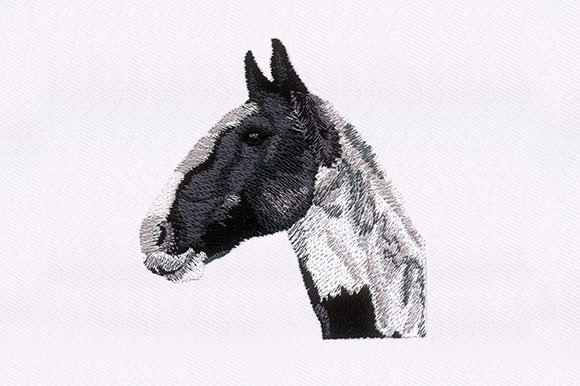
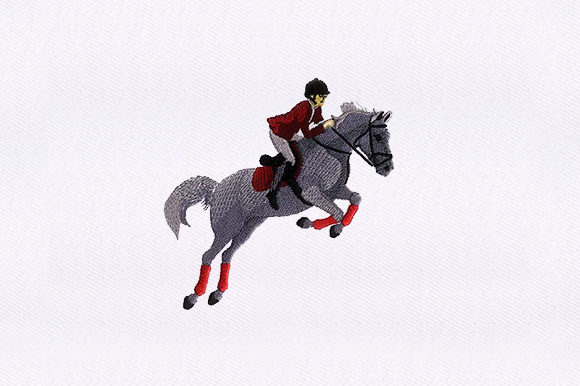
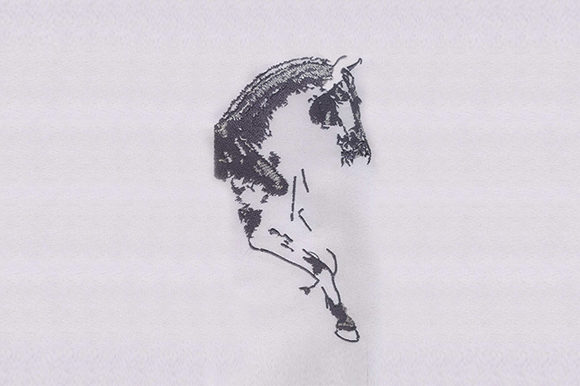
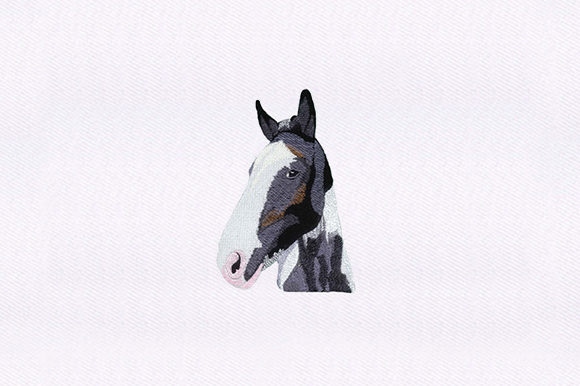
The first thing I noticed was the level of artistry in the Detailed Horse Design. This is not a simple silhouette or a cartoonish pony. It feels like a premium piece of equestrian art. The mood is rustic-elegant, blending farmhouse charm with a sophisticated, almost western aesthetic. It immediately struck me as a high-value design asset. This is the kind of embroidery that makes customers stop, lean in, and touch the fabric. It implies a high stitch count, multiple thread colors, and beautiful shading. For a craft fair product, this translates directly to a higher price point. It speaks to horse lovers, ranch enthusiasts, and anyone who appreciates detailed, handmade quality. If you are a boutique maker or creative entrepreneur, this design helps build a brand image of quality and care.
Product Performance Breakdown
Where does the Detailed Horse Design truly shine in a booth setup? I tested it across several common product categories to see where it sells best.
Tote Bags and Market Bags
On a sturdy canvas tote bag, this design is an absolute knockout. The smooth, stable fabric allows every stitch to pop. The detail has room to breathe, creating a high-value, giftable item that horse owners will snap up. When displayed on a simple market bag, it becomes a walking advertisement for your craftsmanship. This is a top-tier tote bag design for any craft fair.
Aprons and Kitchen Linens
An apron with this embroidery becomes a statement piece. It works beautifully on a ranch-style bib apron or a cooking apron. However, I urge caution with tea towel embroidery. The texture of flour sack towels or linen can easily swallow fine details. If you use this on a towel, I recommend a higher thread count, smoother fabric, and a water-soluble stabilizer on top to prevent the stitches from sinking into the weave. It is doable, but it requires a careful test stitch-out.
Embroidered Patches
This is the secret weapon for the Detailed Horse Design. Hooping a patch blank or twill and turning this design into an embroidered patch is a brilliant production strategy. Patches allow you to pre-make inventory, they display beautifully on a card, and customers can sew or iron them onto their own jackets, bags, or hats. The detail is preserved perfectly, and it allows you to sell a finished product without the wait time of custom embroidery. This is a high-margin small shop product.
Caps and Headwear
Highly detailed designs on curved caps can be a production nightmare. The center detail can distort, and the density can cause puckering or poor registration. I would not recommend this for a standard structured cap. If you must put it on a hat for a customer, use a structured, flat-front cap and a heavy-duty stabilizer. Be prepared for a potential test stitch-out. It is risky, but the payoff can be a unique, custom piece.
Pillow Covers and Home Decor
Yes, please. A burlap or cotton twill pillow cover with this design in the center is pure farmhouse elegance. It creates a high-ticket item for your booth. Home decor items sell well because they are often impulse buys, and this design provides the visual weight to justify the price. It is a strong contender for commercial embroidery production runs.
Production Reality Check
Alright, let us get practical. A "Detailed" design means we need to be smart about our production workflow. Here are my careful-use notes based on testing.
- Stitch Density and Thread Colors: This design likely has a high density. That means it is sturdy, but it also means long stitch times and potential for thread breaks. Check the exact stitch count and the number of thread color changes before you start. For a craft fair, you need to balance beauty with the time it takes to produce one unit. If it has too many color changes, consider thread color simplification or be prepared to charge a premium.
- Fabric Texture: Smooth fabrics are your best friend. Canvas, denim, twill, and fleece (if dense enough) work well. Avoid open-weave fabrics where the stitches can get lost. The fabric texture directly impacts how much of the design's detail is visible.
- Stabilizer: Do not skimp here. A high-quality cutaway stabilizer is non-negotiable. Tearaway might cause the dense stitching to distort or "shrink" once the hoop is removed. Use a medium-weight cutaway for tote bags, and a heavy-weight cutaway for patches. The right stabilizer makes or breaks this design.
- Sizing and Hoop Size: The embroidery file comes in a wide range of formats (DST, PES, JEF, EXP, etc.), which is great. But you must check the native hoop size and the recommended size of the design. If you shrink this design down too much to fit a small hoop, you will lose the horse's eye, the mane details, and the overall impact. I recommend printing a template of the design and holding it up to your product to make sure the size feels right. If the design is too small, it will look like a blob.
- Dark Fabric: If the horse stitched in dark tones, it will vanish on a dark fabric. Pair it with light or medium-toned fabric, or use a light thread color for the design itself. Contrast is crucial for detailed embroidery. Test your thread colors against your fabric before bulk production.
Visual Appeal and Customer Engagement
This design has a tremendous "wow" factor. In a booth full of simple monograms and basic florals, the Detailed Horse Design will stop horse lovers in their tracks. It conveys a high level of craftsmanship and care. When displaying it, use good lighting and a simple backdrop. Let the texture and detail of the embroidery speak for itself. For online listings, take a macro photo of the mane or the eye to show the intricate stitching. This builds trust in your handmade quality. For Etsy sellers, this design is a strong candidate for a bestseller if you use high-quality printable mockup assets to show the design on your products. The design assets you create around this piece matter just as much as the stitch-out.
Designer's Final Checklist
Before you load this into your machine and start stitching for your Etsy shop or weekend market, here is my professional checklist:
- Check Your Details: Confirm the exact stitch count, thread color list, and the minimum hoop size required. The file formats are extensive (10O, ART, CND, DSB, DST, etc.), so you should be covered, but double-check your machine's compatibility.
- Commercial Licensing: Verify your commercial use license for the machine embroidery design. You need to know if you are allowed to sell the finished products. Most digital files allow it, but always check the terms.
- Test on Scrap: Always test the design on the exact fabric you plan to use for your finished product. Check for tension issues, thread breaks, and overall clarity.
- Create a Mockup: Use a printable mockup or photograph a real sample. This is essential for your online store and for showcasing the design at your booth without having to produce dozens of units first.
- Price for Profit: Factor in the stitch time, thread usage, and the premium feel of the design. Do not undervalue your work. This is a high-complexity design that justifies a higher price point.
The Detailed Horse Design is a powerful asset for any embroidery business targeting the equestrian or farmhouse market. It is not a "stitch and forget" design; it requires attention to fabric choice, stabilizer, and hoop size. But when executed correctly, it creates a high-value, emotionally resonant product that sells itself. It is a definite winner for boutiques, Etsy sellers, and craft fairs, provided you respect the level of detail it demands. Add it to your digital stash and get ready to impress your customers.