African Design Pattern Lineart: A Craft Fair Seller's Review
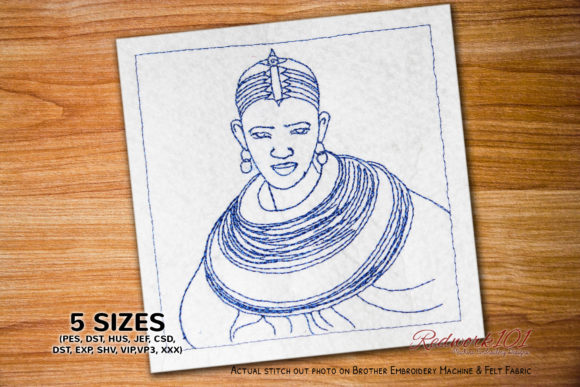
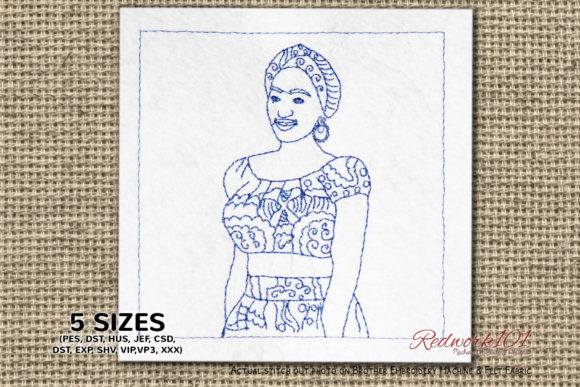
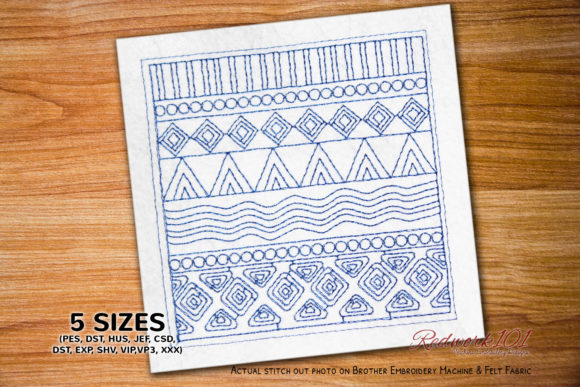
When I first opened the African Design Pattern Lineart embroidery file, I immediately recognized its potential for the craft fair circuit. This is not a cutesy or farmhouse-style design. It carries a bold, modern, and decorative energy that feels both cultural and contemporary. As someone who has tested hundreds of machine embroidery designs for handmade market products, I can tell you that this pattern has a confident, graphic presence. It reads as premium and intentional, not just another filler motif. The optional Box Stitch mentioned in the product description adds a framing element that can either anchor the pattern or be skipped entirely, depending on your product vision. That flexibility alone makes it valuable for a small shop owner who needs one embroidery file to serve multiple product lines.
First Impression and Market Fit for Handmade Products
The African Design Pattern Lineart strikes me as a design that commands attention without shouting. It has a structured, repeating quality that feels elegant and rhythmic. For a craft fair booth, this is the kind of pattern that stops a customer mid-stride. They lean in to see the detail, and that moment of curiosity often leads to a sale. The lineart style means the stitch paths are clean and deliberate, which is a strong advantage when you are stitching onto tote bags, aprons, or tea towels. Customers browsing handmade goods at a market are drawn to designs that look intentional and well-crafted. This pattern delivers that impression. It does not feel like a generic clip art converted to stitches. It feels like a thoughtful design asset that respects the fabric and the craft of embroidery.
For Etsy sellers and boutique makers, this design fits well into a product lineup that leans toward cultural appreciation, geometric decor, or modern handmade gifts. The Africa category is clear, but the pattern itself is versatile enough to work on items that are not explicitly themed around a region. It can read as abstract, tribal, or simply decorative, depending on the fabric color and thread choices you pair with it. That range is a practical advantage when you are building a cohesive booth display or an online shop with a consistent visual identity.
Where This Design Performs Best on Craft Fair Products
I have tested African Design Pattern Lineart across several product types, and the results are consistent. The pattern works beautifully as a large focal design on a tote bag or a market bag. The lineart nature of the stitching means it does not overwhelm the fabric, but it still holds its own as a centerpiece. On aprons, it sits well as a chest or waist accent, especially if you use the outer Box Stitch to frame it. The Box Stitch, which the product description notes is optional, gives the design a finished, almost framed look that elevates the perceived value of the handmade product. Customers at a craft fair will notice that detail. They associate framed stitching with quality and care.
Tea towels and kitchen towels are another strong application. The lineart pattern stitches cleanly onto cotton and linen blends, and the open areas of the design allow the fabric texture to show through. That is a subtle but important detail. Buyers who appreciate handmade embroidery often comment on how the stitch complements the weave of the towel. This design supports that compliment. On embroidered patches, the pattern shrinks down nicely without losing its readability. I would recommend using it as a medium to large patch rather than a tiny accent, because the lineart details need enough space to breathe.
Pillow covers and fabric pouches also benefit from this design. The geometric, repeating nature of the pattern makes it ideal for a centered placement or a repeating border. If you are stitching multiple pouches for a craft fair, you can vary the outer thread color to create a cohesive but varied product line. The product description mentions that the outer Box color is often different from the main design, and that is a smart detail to lean into. It gives you a built-in way to offer color variants without needing a new embroidery file.
Practical Selling and Production Notes for Small Shop Owners
One of the first things I evaluate when I review a machine embroidery design for my own craft fair production is how easy it is to understand at a glance. African Design Pattern Lineart passes that test. The pattern is clear, structured, and visually coherent. A customer walking past your booth can grasp the design in a second. That matters more than most designers realize. If a design is too busy or too abstract, it does not register until the customer is already past your table. This pattern stops them, and that is half the battle won.
For online listings, this design photographs well. The lineart style creates strong contrast against most fabric backgrounds, especially when you stitch it in a thread color that pops against the base material. I recommend testing a few thread color combinations before you shoot your product photos. A white or cream thread on a dark fabric tote bag creates a dramatic, high-end look. A gold or copper thread on a neutral linen towel reads as warm and artisan. Both options photograph beautifully for Etsy listings and social media. You can also create a printable mockup using the digital embroidery file to show customers how the design will look on different products. That is a smart way to test the market before you commit to a full batch.
Batch production is another area where this design shines. Because the stitch paths are lineart, the stitch count is likely manageable for repeat stitching. I always advise checking the exact stitch count and hoop size before you start production, but based on the pattern style, it should not be overly dense. That means you can stitch multiple pieces in a single session without excessive thread changes or machine wear. The optional Box Stitch adds a second color if you choose to include it, but you can also skip it and run the entire design in one thread color. That flexibility is a huge time saver when you are preparing for a weekend craft fair.
Careful-Use Notes for Reliable Embroidery Production
No design review is complete without addressing the practical challenges that come with real fabric and thread. African Design Pattern Lineart is a lineart pattern, which means the stitch density is generally moderate. However, I recommend testing the design on scrap fabric before you stitch your final products. Run a sample on the exact fabric you plan to use for your craft fair items. Check the thread contrast against the fabric color. If the pattern has fine lines, they may disappear on dark or heavily textured fabrics. On thick fabrics like canvas or denim, the lineart stitches might sink into the weave and lose clarity. Use a medium-weight stabilizer and test the tension on your machine.
If you are stitching onto curved surfaces like caps or small pouches, pay attention to the hoop size. The design needs to fit within the hoop without distortion. For caps, I would recommend a smaller version of the pattern or a centered placement that avoids the curved edges. The pattern itself is geometric, so any distortion from fabric stretching or hoop tension will be immediately visible. Take the time to hoop your fabric cleanly and use the right stabilizer for the fabric weight. For towels, use a water-soluble stabilizer on top to prevent the stitches from sinking into the terry texture. For patches, use a tear-away or cut-away stabilizer depending on the fabric backing.
Dense stitch areas are not a major concern with this design, but if you add the Box Stitch, the outer frame may create a heavier stitch concentration where the Box meets the main pattern. Test that overlap point. If the stitches stack too densely, the fabric may pucker or the thread may break. You can adjust the density in your embroidery software or skip the Box Stitch for products that need a softer feel. The product description clearly states that the Box Stitch is optional, and that is a detail I appreciate as a designer. It gives me control over the final look and feel of the finished product.
Visual Appeal, Customer Attention, and Booth Display Strength
When I set up my craft fair booth, I think about visual hierarchy. What catches the eye from ten feet away? What draws a customer in for a closer look? African Design Pattern Lineart works at both distances. From a distance, the geometric structure and lineart clarity create a recognizable shape. Up close, the stitch quality and thread texture become the story. That dual appeal is exactly what you want in a handmade product. It gives customers a reason to stop and then a reason to stay.
The design also supports brand consistency. If you are building a small shop around a specific aesthetic, this pattern can become a signature element across multiple product categories. Stitch it on a tote bag, a pillow cover, and a fabric pouch, and you have a coordinated product line that looks intentional and professional. That kind of consistency is difficult to achieve with random designs, but it is easy with a versatile pattern like this one. Customers at a craft fair recognize that consistency. It tells them you are a serious maker who cares about the details.
Buyer engagement also improves when the design has a story behind it. The Africa category gives you a natural conversation starter. Customers may ask about the inspiration, the pattern meaning, or the cultural context. You do not need to be an expert on African design to speak to the beauty of the pattern. You can talk about the rhythmic lines, the geometric balance, and the way the stitching brings the design to life on fabric. That kind of engagement builds trust and often leads to a sale.
Embroidery Designer's Checklist Before Production
Before you start stitching this design for your craft fair products, I recommend running through a quick checklist. First, test the design on scrap fabric that matches your final product material. Check the thread contrast under both natural and booth lighting. Second, review the spacing and stitch density. If the lines are too close together on your test sample, consider scaling the design up slightly or reducing the density in your software. Third, confirm the hoop size you need for each product. A tote bag may accommodate a larger hoop than a cap or a small pouch. Fourth, use the right stabilizer for the fabric. Cut-away stabilizer for knits and stretch fabrics, tear-away for wovens, and water-soluble topper for napped fabrics like towels. Fifth, create at least one real mockup of your best-selling product. Stitch the design onto the actual product, finish it, and photograph it. That mockup becomes your booth sample and your Etsy listing photo. It also gives you confidence that the design will perform in production.
Finally, confirm the commercial licensing terms of the embroidery file before you sell finished products. The product description does not specify licensing details, so you need to check with the seller or the platform where you purchased the design. Most digital embroidery files come with a commercial use license, but the terms vary. Some allow unlimited sales of finished products, others limit the number of units or require attribution. Do not assume anything. Read the license, save a copy, and keep it with your production records. That is a simple step that protects your handmade business.
African Design Pattern Lineart is a strong addition to any craft fair seller's embroidery library. It offers clarity, versatility, and a premium visual presence that customers notice and appreciate. With careful testing and thoughtful product placement, this design can become a reliable seller in your handmade product lineup. Whether you stitch it onto a tote bag, a tea towel, or a pillow cover, the pattern delivers a clean, confident look that stands out in a busy market. That is exactly what you need when you are building a booth display that turns browsers into buyers.