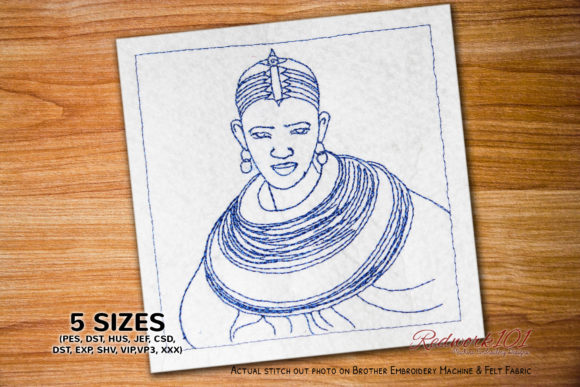
Native African Redwork: An Embroidery Seller’s Honest Review
When I first came across Native African Redwork on Creative Fabrica, I was immediately intrigued by the combination of a timeless stitching technique with culturally rich motifs. As someone who has been selling machine embroidery products on Etsy for several years, I have learned to evaluate a design not just for its beauty, but for its commercial viability, stitching practicality, and market appeal. In this article, I want to walk you through my process of reviewing Native African Redwork as a potential addition to a small shop collection, and share what I have discovered about its strengths, ideal product applications, and what to look out for before you hit the hoop.
First Impressions: Visual Personality and Stitching Style
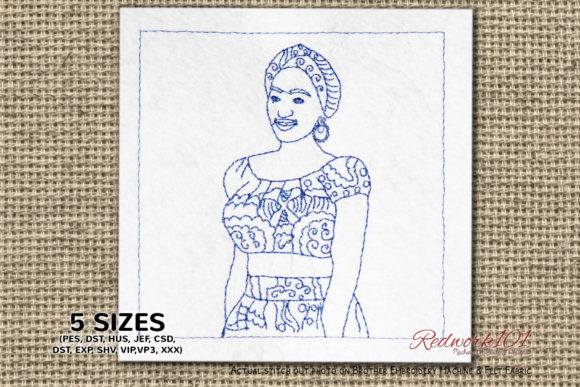
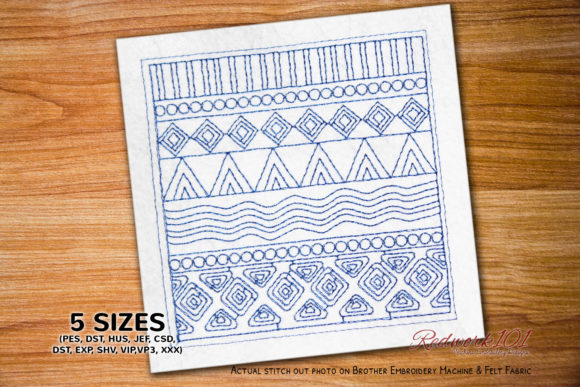
From the title alone, Native African Redwork signals a design that combines the classic redwork embroidery tradition with African-inspired imagery. Redwork, historically known for its simple, bold, and rustic charm, typically uses a single red thread color to create striking outlines and motifs. This design appears to follow that tradition, but with a distinctive cultural twist that sets it apart from the floral or sentimental redwork patterns often seen in the market. The description mentions that the box stitch shown in the picture is optional, and that the color of the outer box may differ from the main design. This is a useful detail because it tells me I have flexibility in how I present the finished piece. I can skip the outer box entirely if I want a more organic, free-floating look, or I can keep it for a structured, framed effect that suits certain product formats.
Visually, I would describe Native African Redwork as bold, classic, and meaningful. It is not particularly cute or playful, nor is it overly feminine or seasonal. Instead, it carries a sense of heritage and intentionality. The redwork style gives it a clean, minimal aesthetic that works well on light-colored fabrics, while the African motifs add depth and cultural resonance. This makes it an excellent choice for buyers looking for something with a story, whether they are creating personalized gifts, boutique merchandise, or home decor with a global sensibility. The design feels more premium and artistic than mass-produced, which is exactly the kind of value that Etsy shoppers are drawn to.
Best Product Applications for Native African Redwork
Based on its style and stitching requirements, I believe Native African Redwork is best suited for products that benefit from bold, legible embroidery with a clear focal point. Here are some of the product ideas I am considering for my own shop:
- Embroidered tote bags – The bold redwork motifs stand out beautifully on a natural canvas or linen tote. The optional box stitch can be used to frame the design, giving the bag a polished, giftable look.
- Sweatshirts and t-shirts – Redwork on a cream or heather gray sweatshirt creates a cozy yet sophisticated vibe. The single-color stitching keeps the production simple and cost-effective, which is ideal for small batch apparel.
- Kitchen towels – Redwork has a long history on kitchen textiles, and African motifs add a unique twist that makes the towels feel more like artisan pieces than everyday linens. These would sell well as housewarming gifts or cultural home decor items.
- Baby blankets and burp cloths – While redwork is not typically associated with baby products, the soft, classic look of red stitching on white or cream fabric can be surprisingly appropriate for gender-neutral or heritage-inspired baby gifts. I would test the design on a small scale first.
- Embroidered patches – The design’s bold outlines make it a strong candidate for patches. I can create iron-on patches that customers can sew onto jackets, backpacks, or hats, adding a personalized touch to ready-made items.
- Pillow covers – A single redwork motif centered on a throw pillow cover creates a striking accent piece for home decor. The optional box stitch can help frame the design, making it look intentional and structured.
- Aprons – For kitchen or craft aprons, Native African Redwork adds a decorative element that feels both functional and artistic. It is the kind of detail that makes a product feel handmade and special.
- Personalized gifts – Because the design is not overly specific to a holiday or occasion, it works well for year-round gifting. I can pair it with customized text or initials to create a truly unique item.
Buyer-Focused Value: Why This Design Sells
From a buyer’s perspective, Native African Redwork offers several advantages that make it more attractive in a crowded marketplace. First, the design feels giftable. It has a classic, timeless quality that does not date quickly, and the cultural motifs give it a sense of authenticity that many shoppers are looking for. Whether the buyer is purchasing for themselves or as a gift, they are getting something that feels thoughtfully curated rather than mass-produced.
Second, the single-color stitched design is easy to photograph. For Etsy sellers, product photography is one of the most important factors in making a sale. A bold redwork motif on a neutral background shows up clearly in listing thumbnails, which helps with click-through rates. The design does not rely on multiple thread colors or intricate shading that might get lost in a small image. This simplicity is a major advantage for online selling.
Third, the design helps products feel more professional and memorable. When I add Native African Redwork to a tote bag or a sweatshirt, the finished product looks like it belongs in a boutique rather than a garage sale. The stitching quality, combined with the meaningful motifs, gives the item a story that customers can connect with. That emotional connection is what drives repeat purchases and positive reviews.
Practical Seller Notes: What to Test Before You List
Before I add any new design to my product lineup, I always run through a checklist of practical tests. Here is what I recommend for Native African Redwork, based on the information available in the product description:
- Stitch out a sample – I always stitch the design on the exact fabric I plan to use for my products. This lets me check the stitch density, the thread tension, and how the design behaves on different materials. Redwork designs often rely on clean outlines, so I want to make sure there are no skipped stitches or puckering.
- Compare thread color options – The description mentions that the outer box color may differ from the main design. I will test a few red thread shades to see which one gives the best contrast and visual impact. I might also experiment with other colors, such as black or navy, to offer variations that appeal to different customers.
- Check readability at thumbnail size – Because I sell on Etsy, I need the design to look good in a small listing photo. After stitching the sample, I photograph it from different angles and distances to ensure the motif is clear and recognizable even when scaled down.
- Review stitch density – Redwork designs typically have moderate to low stitch density, which is good for keeping production time reasonable. But I still want to confirm that the density works well with my preferred stabilizer and fabric combination. I recommend testing with a tear-away or cut-away stabilizer depending on the fabric weight.
- Confirm hoop size – The product description does not specify the exact hoop size required, so I will check the design dimensions on the Creative Fabrica product page before purchasing. I want to make sure the design fits within the hoops available on my machine, especially if I plan to use it on smaller items like baby bibs or patches.
- Check Creative Fabrica licensing – Before selling any finished products, I always review the license terms for the design. Creative Fabrica offers different license types, so I confirm that my intended use (selling finished goods commercially) is covered. This is a critical step that every seller should follow.
Commercial Potential and Product Photography
One of the reasons I am excited about Native African Redwork is its potential for creating a cohesive product collection. Because the design is single-color and relatively simple, I can use it across multiple product types without overwhelming my production capacity. I can offer tote bags, sweatshirts, kitchen towels, and patches all featuring the same motif, which creates a recognizable brand aesthetic. This is especially valuable for craft fair setups and Etsy shops where consistency helps build trust with customers.
For product photography, I plan to shoot the finished items on natural backgrounds with plenty of natural light. The red thread will pop nicely against cream, white, or light gray fabrics. I will also create a mockup of the design on a digital template to use in my listings, which saves time and helps customers visualize the product. The optional box stitch gives me flexibility in composition: I can frame the design for a more structured look, or leave it out for a softer, more organic feel.
From a social media perspective, the cultural motifs in Native African Redwork are highly shareable. I can create posts that highlight the meaning behind the design, the stitching process, or the finished product in use. This type of content tends to perform well because it feels educational and authentic, not just promotional.
Final Thoughts
After reviewing Native African Redwork from the perspective of an experienced embroidery seller, I believe it is a strong addition to any small shop that focuses on handmade, culturally meaningful products. Its classic redwork style, combined with African-inspired motifs, gives it a versatile personality that works across apparel, home decor, and accessories. The design is bold enough to stand out in a listing thumbnail, yet simple enough to keep production efficient and cost-effective. As with any new design, I recommend testing it thoroughly before launching, but the potential for creating giftable, professional, and memorable products is clear. Whether you are new to selling on Etsy or looking to refresh your existing collection, Native African Redwork is worth your attention.