Black Quilting Design: A Hands-On Review
When I first opened the Black Quilting Design file from Creative Fabrica, I was curious how it would translate from screen to stitch. As someone who has tested hundreds of machine embroidery designs for real customer orders, I’ve learned that a design can look polished in preview but fall apart during production. This review covers my experience stitching Black Quilting Design on several project types, including custom apparel, tote bags, and home decor. I’ll share practical notes on hoop size, stabilizer, and thread contrast so you can decide whether this embroidery file deserves a spot in your digital collection.
First Impressions: Visual Mood and Stitching Personality
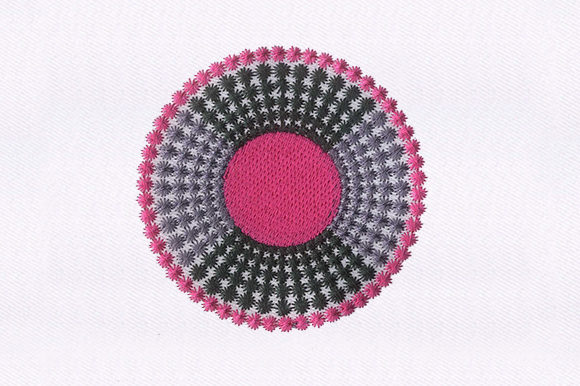
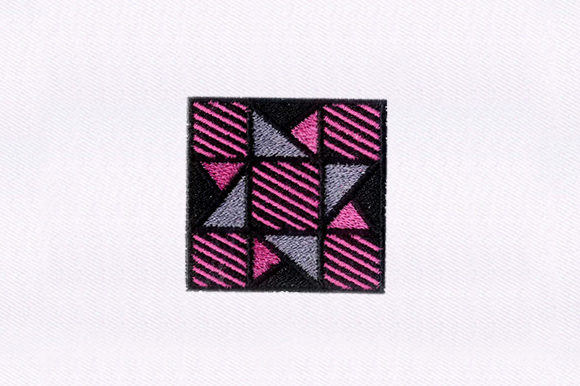
Black Quilting Design carries a classic, understated aesthetic that works well for both modern and traditional handmade products. The design feels balanced—not overly ornate, but detailed enough to add a crafted finish to any item. The stitching personality leans toward a clean, structured look, with satin stitch outlines and fill stitch sections that give it a polished, dimensional feel. I immediately thought of using it for a baby blanket or a kitchen towel, where the design would stand out without overwhelming the fabric. The decorative appeal is versatile, making it suitable for boutique merchandise, Etsy listings, and craft fair products.
One thing that stood out to me is the design’s adaptability to different color palettes. Because it’s a black quilting concept, the contrast between thread and fabric matters a lot. On light fabrics, the design pops clearly; on dark fabrics, you may need to adjust thread colors to maintain visibility. This is a common consideration with any machine embroidery design, and Black Quilting Design handles it well if you plan your thread choices ahead of time.
Real Project Performance: From Apparel to Home Decor
I tested Black Quilting Design on several project types to see how it performs in real embroidery work. Here’s what I found:
Custom Apparel and Sweatshirts
On a medium-weight sweatshirt, the design stitched out smoothly with no puckering. The stitch density felt appropriate—neither too dense to cause fabric distortion nor too sparse to look unfinished. I used a cutaway stabilizer and a 5x7 hoop, which gave enough room for the design without crowding. The design held its shape well after washing, which is critical for commercial embroidery products that need to withstand repeated laundering. If you’re creating personalized gifts or boutique merchandise, this design adds a refined touch that buyers notice.
Tote Bags and Aprons
For a canvas tote bag, the design maintained crisp edges even on thicker fabric. I recommend using a medium-weight tearaway stabilizer and a sharp needle to avoid skipped stitches. The satin stitch sections sewed cleanly, and the fill stitch areas provided good coverage. On a cotton apron, the design felt balanced and not too heavy. It’s a great option for handmade shop owners who want to offer customized tote bags or aprons for craft fairs or Etsy shops.
Baby Items and Nursery Decor
Black Quilting Design also works well for baby blankets and nursery decor. The design’s gentle curves and balanced composition make it suitable for a baby quilt or a decorative pillow. I tested it on a flannel baby blanket, and the design stitched without distortion. Just be mindful of the fabric stretch—use a stabilizer that prevents shifting. For personalized gifts like baby shower items, this design adds a thoughtful, handmade feel that buyers appreciate.
Caps and Patches
I also tried the design on a curved cap surface. Because the design has moderate detail, it fit well on the front panel of a cap without needing significant resizing. If you’re looking to create embroidered patches, the design’s clean outlines make it easy to cut and finish. For commercial embroidery, this design works as a standalone patch or as part of a larger layout.
Practical Considerations for Digital Embroidery Files
Before you commit to using Black Quilting Design for your next project, there are a few practical factors to consider:
Hoop Size and Machine Compatibility
The design is available in multiple embroidery file formats, including DST, PES, JEF, HUS, EXP, and others. This wide compatibility means it works with most home and commercial embroidery machines. However, the exact hoop size required is not listed in the product details, so I recommend checking the file dimensions on the Creative Fabrica product page before downloading. If you’re working with a small hoop, you may need to resize the design, which could affect stitch density and detail. Always test on scrap fabric first.
Stitch Density and Fabric Choices
Black Quilting Design has a moderate stitch density, which makes it suitable for a range of fabrics—from cotton and linen to denim and canvas. For stretchy fabrics like jersey or interlock, use a stabilizer designed for knits to prevent distortion. For textured fabrics like terry cloth or fleece, a topper can help keep the stitches crisp. I also recommend testing thread colors on both light and dark fabric mockups to see how the design reads. On very dark fabrics, consider using a lighter thread color or a metallic thread for contrast.
Small Lettering and Tiny Details
If your project includes small lettering or tiny details within the design, pay attention to the stitch density. Dense areas can cause fabric puckering, especially on lightweight materials. If you’re stitching on a kitchen towel or a pillow cover, use a lightweight stabilizer and a 75/11 needle. For commercial embroidery products that need to look professional, inspect the small details after stitching to ensure they are clean and legible.
How Black Quilting Design Affects Product Value and Buyer Trust
In my experience, a well-stitched design like Black Quilting Design can elevate the perceived value of a handmade product. When customers see crisp, balanced embroidery on a tote bag or sweatshirt, they associate it with quality craftsmanship. This builds trust and encourages repeat purchases. For Etsy sellers and small business owners, the design’s versatility means you can offer it on multiple product types—from baby blankets to personalized gifts—without needing to source new design assets for each item.
The design also photographs well, which is a big plus for product photography. Clean satin stitch outlines and even fill stitch areas create a polished look in listing photos. If you’re selling at craft fairs, the design’s visual appeal can draw customers to your booth. For digital product sellers who create printable mockups, this design works well as a standalone element or as part of a larger composition.
Practical Embroidery Notes and Testing Advice
Based on my testing, here are a few practical steps to follow before using Black Quilting Design for a customer order:
- Test on scrap fabric – Always stitch a sample on fabric similar to your final project. This helps you confirm the stitch density, thread contrast, and hoop size.
- Check thread color contrast – On light fabrics, dark thread colors work well. On dark fabrics, consider using a lighter thread or a metallic thread to make the design stand out.
- Review stitch density – If the design feels too dense for your fabric, reduce the stitch density in your embroidery software or choose a lighter-weight stabilizer.
- Confirm hoop size – Make sure your hoop is large enough to accommodate the design without distortion. If you need to resize, check that the stitch details remain intact.
- Compare light and dark fabric mockups – Stitch the design on both a light and a dark fabric sample to see which version you prefer for your product line.
- Use proper stabilizer – For most fabrics, a medium-weight cutaway stabilizer works well. For stretchy fabrics, use a stabilizer designed for knits.
- Inspect small details after stitching – Check that all satin stitch and fill stitch areas are clean and even. If any stitches are skipped, adjust your needle or thread tension.
- Confirm file details and licensing – Before selling finished items, review the licensing terms on the Creative Fabrica product page. Some designs have restrictions on commercial use, so it’s important to verify this beforehand.
Final Thoughts on Black Quilting Design for Real Projects
Black Quilting Design is a solid choice for embroidery designers and small business owners who need a versatile, reliable machine embroidery design. It performs well on a range of fabrics, from cotton and canvas to flannel and denim, and it adapts to different product types—including custom apparel, tote bags, baby items, caps, patches, and home decor. The design’s clean lines and balanced composition make it suitable for both boutique merchandise and everyday handmade products.
That said, I always recommend testing the design on your specific fabric and hoop combination before committing to a production run. Every machine and material behaves differently, and a quick test sample can save you time and materials. If you’re looking for a design that adds a refined, crafted finish to your products, Black Quilting Design is worth downloading from Creative Fabrica. Just remember to check the file dimensions and licensing details on the product page before you start stitching.
Whether you’re creating a personalized gift for a customer, stocking your Etsy shop, or preparing for a craft fair, this design offers the kind of clean, professional look that builds buyer trust and product value. With proper planning and testing, Black Quilting Design can become a reliable addition to your digital embroidery file collection.