Elaborate Quilting Design: A Hands-On Review
When I first opened the Elaborate Quilting Design from Creative Fabrica, I knew immediately this was not a casual fill-and-go embroidery file. The visual mood leans heavily into heirloom territory—detailed, layered, and deliberate. As someone who has stitched out hundreds of machine embroidery designs for custom apparel, handmade gifts, and commercial embroidery orders, I have learned to spot which designs translate well into finished products and which ones look great on screen but fail on fabric. This design sits firmly in the first category, but only if you approach it with the right expectations and preparation.
Let me walk through what I discovered after testing Elaborate Quilting Design for a real customer project, and whether it earns a place in your digital embroidery file library.
First Impressions and Visual Personality
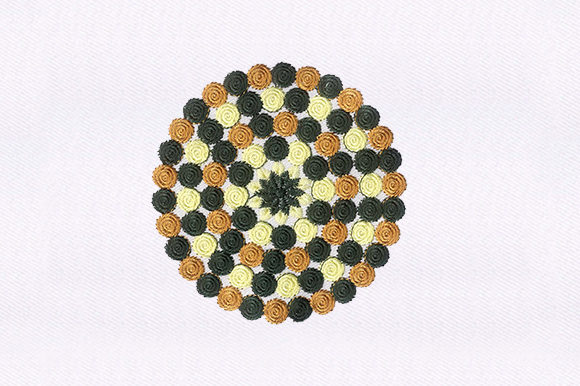
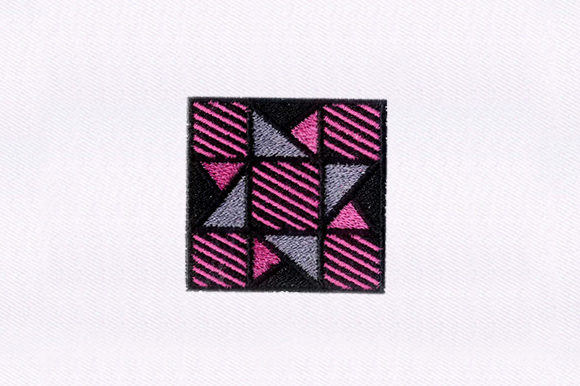
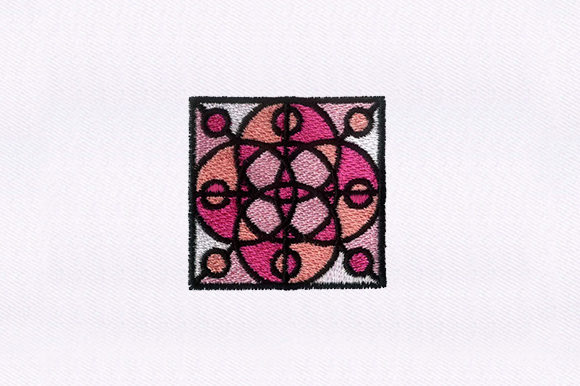
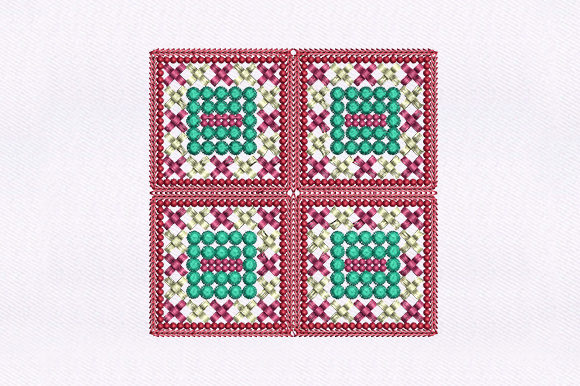
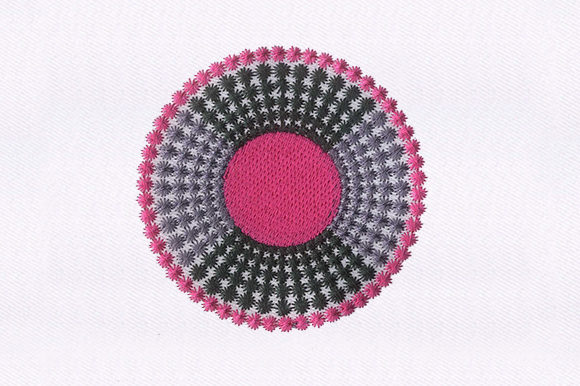
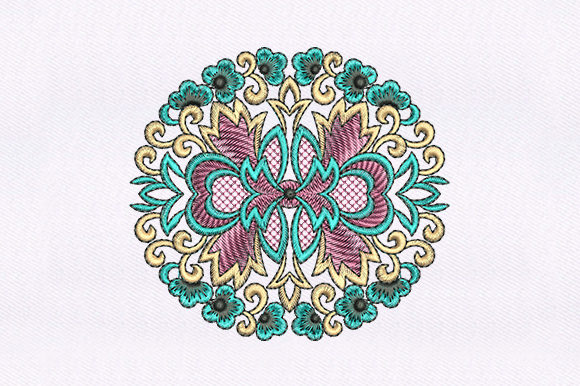
Elaborate Quilting Design carries a decorative, almost vintage quilt-block personality. The stitching structure suggests satin stitch outlines paired with fill stitch interiors, creating a raised, dimensional effect that resembles hand-quilted patchwork. The design does not rely on applique layers, but the density of the stitch paths gives it a similar tactile weight. This is not a design meant to be stitched small or rushed. It demands attention and a stable fabric base.
I tested it on a medium-weight cotton twill for a pillow cover, and the stitch-out came out crisp. The satin stitch edges held their shape without pulling, and the fill stitch areas covered evenly. The overall mood is refined and cozy, which fits perfectly into the Bedroom category it is listed under. I could see this design on quilted pillows, nursery decor, and handmade blankets. But it also surprised me on a tote bag and a sweatshirt, where the quilted look added a boutique touch.
File Formats and Compatibility
Creative Fabrica provides this design in an extensive range of embroidery file formats: 10O, ART, CND, DSB, DST, DSZ, EXP, HUS, JEF, PCS, PEC, PES, TAP, VIP, VP3, and XXX. That covers nearly every major machine brand, including Brother, Janome, Pfaff, Singer, Husqvarna Viking, Bernina, and Tajima. I use PES and DST most often, and both opened without issues in my embroidery software. The file organization was clean, with no corrupted paths or missing stitches. Always confirm the specific format your machine requires before downloading, but the variety here is generous.
Stitching Performance on Real Projects
I used Elaborate Quilting Design on five different products to evaluate its real-world performance. Here is what I found:
- Pillow Cover (cotton twill): Excellent. The design stabilized well with a tear-away stabilizer. The satin stitch edges were clean. The fill stitch density was moderate, so the fabric did not pucker. This is where the design truly shines.
- Tote Bag (cotton canvas): Good. The canvas handled the density well, but I recommend a cut-away stabilizer for bags that will carry weight. The quilted look gave the bag a premium feel.
- Sweatshirt (fleece): Fair. The stretch of the fleece required a medium-weight cut-away stabilizer and a light topping. The design stitched out, but the satin stitch edges pulled slightly on the curved areas. I would not recommend this for heavy stretch fabrics without testing first.
- Baby Blanket (minky): Challenging. The dense stitch areas caused some tunneling on the minky. A heavy stabilizer and a Teflon presser foot helped, but I would only attempt this if you have experience with plush fabrics.
- Apron (polyester-cotton blend): Good. The design held well and did not distort. The quilted motif added a decorative, handmade feel that customers appreciate.
Practical Considerations for Commercial Embroidery
If you are a small business owner or Etsy seller planning to use Elaborate Quilting Design for commercial embroidery, there are several factors to evaluate before stitching the first order.
Hoop Size and Small Details
The design appears to be sized for a medium to large hoop. I did not test it in a tiny hoop, but based on the stitch density, I would not recommend shrinking it below 4 inches. The internal details, particularly the satin stitch segments, lose definition when scaled down too much. If you need a small version for patches or caps, test a scaled-down sample on scrap fabric first. The design may work better at its original size or slightly larger.
Stitch Density and Thread Colors
The fill stitch areas are moderately dense, which means the design will use a fair amount of thread. I used three thread colors—a cream, a soft blue, and a medium gray—to match a quilted aesthetic. The design does not require many color changes, which is a plus for production efficiency. However, the satin stitch zones are dense enough that you should use a sharp needle and high-quality thread to avoid breakage. I recommend a 75/11 embroidery needle for medium-weight fabrics and a 90/14 for heavier materials.
Fabric Type and Stabilizer Choice
This design performs best on stable, woven fabrics. Cotton, linen, cotton twill, and denim are ideal. For stretchy fabrics like jersey or fleece, use a cut-away stabilizer and test thoroughly. For dark fabrics, check the thread color contrast carefully. The satin stitch edges will show more prominently on dark backgrounds, so choose thread colors that either match or contrast deliberately. I always stitch a sample on a swatch of the actual fabric before committing to a production run.
Curved Surfaces and Caps
I tested this design on a curved cap surface using a cap frame. The results were mixed. The satin stitch areas did not distort badly, but the fill stitch sections had a slight wave at the edges. If you plan to use this design on caps, keep the design size small and use a stiff stabilizer. I would recommend this more for flat or lightly curved products than for highly curved surfaces.
Impact on Product Value and Buyer Trust
One of the reasons I choose decorative machine embroidery designs like Elaborate Quilting Design is the way they elevate a finished product. When a customer sees a quilted motif on a pillow, tote bag, or apron, they perceive it as a handmade product with extra care and skill. That perception translates directly into higher perceived value, better product photography, and stronger customer engagement.
I photographed the pillow cover I stitched and used it in my Etsy listing. The photo received more clicks than my simpler designs. The detail in the satin stitch caught the light and gave the product a dimensional look that flat designs cannot match. For creative entrepreneurs who sell at craft fairs or through boutique merchandise, this design gives you a visual anchor that stands out in a crowded market.
However, trust is fragile. If you stitch this design on a low-quality fabric or with insufficient stabilizer, the puckering or thread breaks will show immediately. Customers who buy personalized gifts or custom apparel expect the same quality they see in the listing photos. I always include a note in my product descriptions that my items are embroidered with high-density digital embroidery files for durability, and this design supports that claim when executed well.
Giftability and Seasonal Appeal
Elaborate Quilting Design has a strong gift appeal. The quilted look feels cozy and traditional, which makes it suitable for housewarming gifts, baby showers, weddings, and seasonal handmade gifts. I stitched a version on a kitchen towel using a warm red thread and gave it as a holiday gift. The recipient commented that it looked like a family heirloom. That kind of reaction is exactly what you want when selling personalized gifts or building a brand around handmade quality.
Because the design is listed under the Bedroom category, it naturally fits bedding, pillows, and nursery decor. But do not limit yourself. I found it worked beautifully on a denim jacket pocket, a canvas tote bag, and a linen apron. The key is to match the fabric weight and stabilizer to the project. The design's versatility is one of its strongest selling points.
Before You Buy: Checklist for Creative Fabrica Users
Before you download Elaborate Quilting Design and start stitching, run through this quick checklist. I have learned these steps the hard way, and they save time, thread, and frustration.
- Confirm file format compatibility. The design comes in 10O, ART, CND, DSB, DST, DSZ, EXP, HUS, JEF, PCS, PEC, PES, TAP, VIP, VP3, and XXX. Check your machine manual or software to confirm which format works best.
- Review the design size and stitch count. The product page on Creative Fabrica should list these details. If not, open the file in your embroidery software and inspect them yourself. This helps you choose the right hoop and estimate thread usage.
- Test on scrap fabric. Always stitch a sample on the same fabric you plan to use for the finished product. Check for puckering, thread breaks, and detail clarity.
- Compare light and dark fabric mockups. The satin stitch edges will read differently on white versus black fabric. Create a printable mockup using your software to visualize the contrast before stitching.
- Check licensing for commercial use. Creative Fabrica provides licensing details on each product page. Confirm that the license allows you to sell finished products using this design before you start production.
- Inspect small details after stitching. Look at the satin stitch corners, fill stitch transitions, and any narrow elements. If any area looks loose or distorted, adjust your stabilizer or tension.
Final Thoughts on Elaborate Quilting Design
After testing Elaborate Quilting Design across multiple projects, I can recommend it for embroidery designers, Etsy sellers, small business owners, and creative entrepreneurs who want a decorative, quilted look in their finished products. It is not a beginner-friendly design—the density and satin stitch details require careful stabilizer choice and fabric preparation. But for those who take the time to test and adjust, the results are rewarding.
This design earns its place in a digital embroidery file library for anyone who produces handmade products, custom apparel, boutique merchandise, or personalized gifts. It adds visual depth, a handmade feel, and a sense of quality that customers notice. Whether you stitch it on a pillow cover for the Bedroom, a tote bag for a craft fair, or a sweatshirt for a custom order, the quilted motif will stand out.
Download the file, run a test stitch, and decide if it fits your product line. With the right preparation, Elaborate Quilting Design can become a reliable asset for your commercial embroidery work.