Boxes Quilting Design: Real-World Review
When I first opened the Boxes Quilting Design file, I knew immediately this was a pattern built for production. There is something about the clean geometry and balanced repetition that makes it feel both modern and timeless. As someone who has prepped countless embroidery files for weekend craft fairs and Etsy shops, I look for designs that catch a customer’s eye from across a booth and still hold up under scrutiny up close. This machine embroidery design does exactly that.
The design is described as a machine embroidery design under the Bedroom category, but don’t let that limit your thinking. The Boxes Quilting Design works beautifully on far more than quilts. I see it as a versatile asset for tote bags, aprons, tea towels, pillow covers, and even small fabric pouches. The grid-like structure and repeating boxes give it a farmhouse-meets-modern feel, making it a strong candidate for both rustic and contemporary handmade product lines.
First Impressions: Bold, Clean, and Saleable
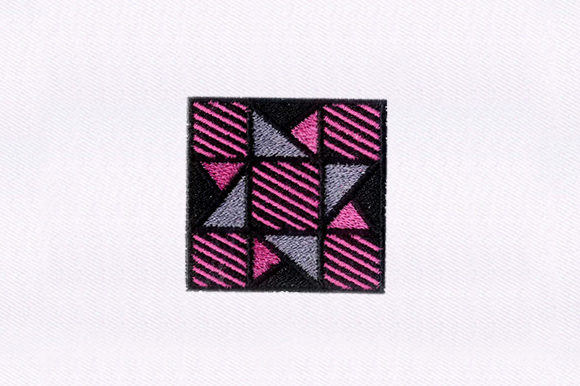
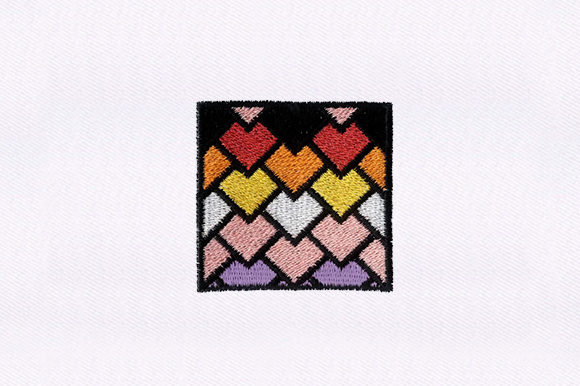
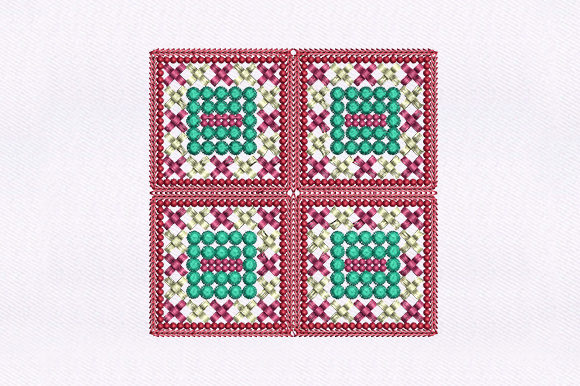
The first thing I noticed is the visual weight. The Boxes Quilting Design isn’t shy. It commands attention without being loud. The boxes are likely arranged in a pattern that suggests order and craftsmanship, which is exactly what customers at a craft fair respond to. They want to see that a handmade product has been thoughtfully designed. This design delivers that impression immediately.
It feels premium, not gimmicky. I can imagine it embroidered in a single color on a natural linen tote bag, or with two contrasting thread colors on a denim apron. The design lends itself to both subtle and bold thread choices. That flexibility is gold for a small shop owner trying to appeal to different tastes at a market.
Where Boxes Quilting Design Shines on the Booth Table
Let me walk you through the booth display I’m planning for next weekend. I’ll have embroidered tote bags, aprons, tea towels, caps, patches, small pouches, and pillow covers. The Boxes Quilting Design is going to be a focal point on several items.
- Tote bags: This design is perfect for a center-front placement. The geometric pattern creates an instant conversation starter. Customers will pick it up and ask, “Did you embroider that yourself?” That’s the moment I talk about the process and the quality.
- Aprons: A single box pattern or a row of boxes along the pocket or bib adds a decorative touch that still looks professional. It’s not too cutesy, so it appeals to both home bakers and BBQ enthusiasts.
- Tea towels: The repeating boxes work great as a border or a corner accent. I’ve found that tea towels with a strong design motif sell faster than plain ones, especially when displayed with a simple fold that shows the embroidery.
- Pillow covers: Since the design is categorized under Bedroom, pillow covers are a natural fit. The structured pattern complements a range of home decor styles, from modern farmhouse to minimalist.
- Patches: If the boxes are small enough to fit within a patch hoop, this design could become a popular add-on item. I’m considering stitching a few patches to pin onto tote bags or hats during the fair.
The Boxes Quilting Design also works well on market bags and giftable handmade items. Because the pattern is geometric, it photographs beautifully for online listings. Etsy sellers will appreciate how the design pops against both light and dark backgrounds.
Practical Production Notes for Batch Embroidery
If you’re planning to produce multiple items with this design, there are a few things to consider before you start stitching. Batch production is where you make your money, but only if the design holds up to repetition.
First, check the stitch density. The Boxes Quilting Design appears to have a balanced fill, which is good for avoiding distortion. However, I always recommend stitching a test sample on the exact fabric you plan to use. I’ll be testing mine on a cotton-linen blend to see how the design behaves.
Second, consider thread colors. The description doesn’t specify exact color changes, so I’ll need to open the machine embroidery design in my software to review the color stops. For a craft fair, I recommend using a single color for a clean, modern look, or a two-color scheme that highlights the box outlines versus the fills. Keep it simple—customers are drawn to clarity.
Third, pay attention to hoop size. The design’s dimensions aren’t listed, but from the name “Boxes Quilting Design,” I suspect it’s a medium to large design. Make sure your hoop accommodates the full pattern. If you’re using a smaller hoop, you might need to resize the design, which can affect stitch density and spacing. Always test before committing.
Stitching Considerations for Different Fabric Types
Every embroidery designer knows that fabric choice can make or break a design. Here’s how I’m evaluating the Boxes Quilting Design across common craft fair products:
- Dense stitch areas: If the boxes have tight fills, avoid using them on thick fabrics like heavy canvas or terry cloth towels. The thread may pile up and cause puckering. On a structured tote bag, it should be fine.
- Tiny details: If the design includes small sub-boxes or thin lines, they may lose clarity on textured towels. Stick to smooth fabrics for best results.
- Small lettering: There is no mention of lettering, but if the design includes any text within the boxes, be cautious. I’ve seen too many designs where micro-lettering becomes unreadable after stitching. Check the file thoroughly.
- Curved cap surfaces: Caps are tricky because of the curve. The Boxes Quilting Design, with its geometric pattern, might not conform well to a curved surface unless it’s sized appropriately. I’d test it on a cap before adding it to my product line.
- Dark fabric: If you plan to use dark fabric, consider using a lighter thread color that contrasts well. The design’s clean lines will stand out, but only if the contrast is strong.
For fabric pouches and small pouches, the design should be scaled down. Be careful with scaling—too small and the boxes may become dense and stiff. Use a proper stabilizer to maintain the fabric’s drape.
Photographing and Listing Boxes Quilting Design Online
As an Etsy seller, I know that printable mockups and digital embroidery file listings require clear, attractive images. The Boxes Quilting Design photographs well because of its geometric symmetry. I’ll create a few mockups using a plain white tote bag and a neutral apron to show the design’s versatility.
For design assets, I’ll also include a machine embroidery design preview that shows the stitch simulation. Buyers want to see exactly what they’re getting. The embroidery file formats are standard (10O, ART, DST, etc.), so I’ll list them clearly in the description.
When I display the finished product at the booth, I’ll place it at eye level. The Boxes Quilting Design has a strong silhouette that draws the eye. I’ll pair it with simpler designs so the booth doesn’t feel cluttered, but the box pattern stands out.
Designer’s Homework: Before You Stitch
Here is my checklist before I commit to producing Boxes Quilting Design for a craft fair. I recommend you do the same:
- Test on scrap fabric. Use the exact fabric you plan to sell, with the same stabilizer. This is non-negotiable.
- Check thread contrast. Place the stitched sample next to other products in your booth to see if it pops.
- Review spacing. Ensure the boxes are evenly spaced and that the design doesn’t look cramped. If you resize, maintain proportions.
- Confirm hoop size. Make sure your hoop can accommodate the design without re-hooping.
- Inspect stitch density. High density can cause fabric puckering. If the design feels too dense, consider using a heavier stabilizer or reducing density in your software.
- Use the right stabilizer. For tote bags and aprons, a tear-away stabilizer works well. For towels, a cut-away stabilizer is better to prevent show-through.
- Create at least one real mockup. Stitch the design on a finished product and photograph it. This will help you decide if it’s worth the production time.
- Compare fabric colors. The design should look good on your most popular fabric colors. Test it on at least two.
- Confirm commercial licensing. Before selling any finished product, check the licensing terms of the digital embroidery file. Some designers allow commercial use, others require a separate license. Respect the creator’s terms.
Final Verdict: A Strong Addition to Your Product Line
The Boxes Quilting Design is a reliable, visually appealing machine embroidery design that fits naturally into a craft fair product lineup. It works on multiple product types, from tote bags to pillow covers, and it appeals to a broad audience. The design feels modern yet approachable, which is exactly what most handmade market shoppers are looking for.
As an experienced embroidery designer, I give it a solid recommendation for businesses that want a design that sells itself. Just remember to test thoroughly, choose your fabrics wisely, and present the finished product with confidence. At the next craft fair, I’ll have the Boxes Quilting Design front and center—and I expect it to be one of the first items to catch a customer’s eye.