Bunny Made with Linear Designs in It: A Designer Review
When I first opened the Bunny Made with Linear Designs in It embroidery file on Creative Fabrica, I was preparing a small spring collection for my boutique. I had been searching for a bunny design that felt modern, not too cartoonish, and versatile enough for sweatshirt embroidery without overwhelming the garment. This design caught my attention because of its linear, sketch-like quality. It offers a hand-drawn feel that stands apart from the usual dense, fill-stitch bunnies found in many Easter embroidery collections. For an experienced embroidery designer, the first thing I notice is how a design will stitch out on fleece, cotton, and French terry. This one promised a light, airy look that could work on a variety of fabrics.
Visual Personality and Stitching Mood
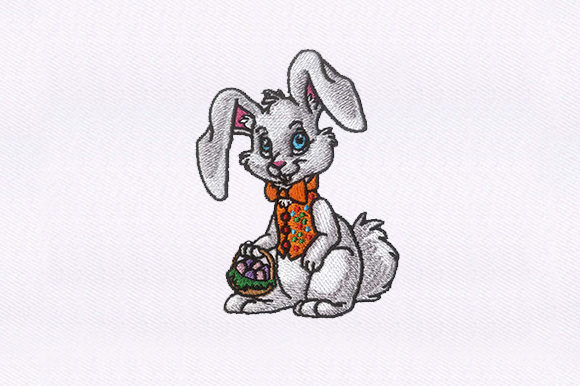
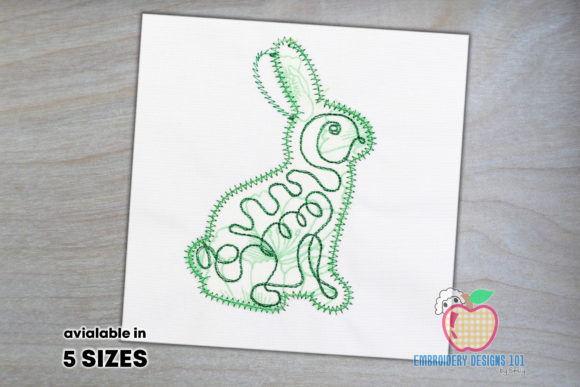
Bunny Made with Linear Designs in It has a minimalist, artistic mood. It feels both playful and refined, with a line-art aesthetic that reads as trendy rather than childish. The linear approach gives it a custom, almost hand-illustrated look that fits well with boutique apparel and handmade product lines. The stitch paths appear to be thoughtfully arranged, with open areas that allow the fabric to show through. This is a strong advantage for sweatshirt embroidery because it reduces the risk of puckering on stretchy fabrics. The design feels premium and casual at the same time, making it suitable for neutral sweatshirts, pastel hoodies, and even dark garments if you choose the right thread colors. I can see this working well on a cream hoodie with a soft pink thread, or on a black sweatshirt with a bright white or gold thread for contrast. The linear style also lends itself to being used as a focal point on a chest or as a smaller accent on a sleeve.
Performance on Sweatshirts, Hoodies, and T-Shirts
When I test a machine embroidery design for apparel, I look at how it behaves on different fabric textures. Bunny Made with Linear Designs in It performs well on sweatshirt fabrics because the stitch density is likely moderate. The design does not appear to rely on dense satin fills that can cause problems on fleece or ribbed cuffs. Instead, the linear elements create a flexible stitch structure that moves with the fabric. For hoodie chest placement, this design sits nicely. It is not too wide, so it fits well on a standard front chest area without crowding the zipper or pocket. I also see potential for sleeve accents. A small version of the bunny on a sleeve would add a subtle, artistic touch that boutique shoppers love. For t-shirt embroidery, the design’s open nature helps it lay flat on lightweight cotton without causing distortion. On a denim jacket, the linear style would pop beautifully against the texture of the denim, especially with a slightly thicker thread weight. For tote bags, the design is a natural fit. The linear lines will hold up well on canvas or cotton tote bags, and the open stitch areas mean the bag will not feel stiff or heavy.
Placement Options for a Boutique Collection
One of the strengths of Bunny Made with Linear Designs in It is its versatility in placement. For a small shop product run, I would consider multiple placement options to maximize the design’s value. The most obvious is a standard chest placement on a sweatshirt or hoodie. This is where the design will be most visible and can serve as the main focal point of the garment. I also like the idea of a back design, perhaps centered between the shoulder blades or slightly lower on the back of a sweatshirt. The linear style works well for back placement because it does not require a large hoop size and the open areas prevent the design from feeling heavy. For a more subtle look, a sleeve accent near the cuff or on the upper arm adds a designer touch that customers appreciate. When creating a collection, I often use the same design in multiple placements to create a cohesive look across different styles. This design also works well on oversize garments, where the linear bunny can be scaled up slightly without losing its delicate character. For Etsy sellers, offering a sweatshirt with the bunny on the chest and a matching tote bag with the same design creates a coordinated product set that sells well.
Thread Color and Fabric Contrast Considerations
Choosing the right thread colors is essential for making Bunny Made with Linear Designs in It stand out. Because the design is linear, the thread color needs to contrast clearly with the fabric. On light pastel fabrics like blush, mint, or butter yellow, a dark thread such as deep brown, navy, or charcoal creates a striking look. On white or cream sweatshirts, a bright thread like coral, mustard, or teal gives a fresh, modern feel. For dark garments like black, navy, or charcoal, metallic threads or bright whites and pastels work well. I recommend testing thread colors on scrap fabric before committing to a production run. The linear nature of the design means that the thread color is highly visible, so even a small shift in shade can change the entire mood of the piece. For a boutique brand, I would suggest offering the design in two or three thread color options to give customers choice. This also helps with product photography, as different color combinations can appeal to different buyer preferences.
Stitch Density and Stabilizer Advice
While I do not have the exact stitch count for Bunny Made with Linear Designs in It, I can offer general guidance based on the linear style. Linear designs typically have lower stitch density than filled designs, which means they are less likely to cause puckering on stretchy fabrics. However, I always recommend checking the stitch data in your embroidery software before hooping. If the stitch density is higher than expected, adjust your stabilizer choice accordingly. For sweatshirt embroidery, a cutaway stabilizer is usually the safest choice. It provides the stability needed for the stitches to stay crisp without distorting the fabric. For t-shirts or lighter fabrics, a tear-away stabilizer may work, but I suggest testing first. The open areas in the design mean that the fabric needs to be supported properly to prevent the stitches from pulling the fabric out of shape. A medium-weight cutaway stabilizer is a good starting point for most sweatshirt fabrics. If you are using a stretchy fleece, consider adding a layer of stabilizer on top of the fabric as well, especially if the design has any small details that could sink into the nap.
Practical Designer Notes for Production
Before you start stitching Bunny Made with Linear Designs in It on your final garments, there are a few steps I always take. First, test the design on a scrap piece of the same fabric you plan to use. This is the only way to see how the design behaves with your specific stabilizer, thread, and machine. Second, check the hoop size required. The design’s dimensions will determine which hoop you need, and you want to make sure it fits comfortably without crowding the edges. Third, review the thread color sequence. The description mentions that steps are separated by color, so make sure your machine is set up to handle the color changes correctly. For a linear design, thread changes are usually straightforward, but it is still worth confirming the order. Fourth, inspect the stitch density in your software. If the design has any areas that are too dense for your fabric, consider reducing the density or using a different stabilizer. Fifth, compare placement options on a sample garment. I like to print the design at actual size and lay it on the garment to see how it looks before stitching. This helps avoid mistakes and ensures the placement is balanced. Finally, check the Creative Fabrica product details and licensing information before selling finished apparel. Confirm that the license allows commercial use, and note any restrictions on the number of items you can produce. This is a critical step for any embroidery designer selling handmade products.
How This Design Affects Brand Identity and Buyer Trust
Using a well-designed machine embroidery design like Bunny Made with Linear Designs in It can elevate a boutique brand’s visual identity. The linear, artistic style suggests a thoughtful, curated approach to design. Customers who buy from small shops are often looking for pieces that feel unique and handmade, and this design delivers that impression. When you stitch it out on a quality sweatshirt and present it with professional product photos, it builds trust with buyers. They see that you care about the details, from the thread choice to the placement. For Etsy sellers, this design can be a strong addition to a spring or Easter collection. The bunny motif is seasonal but not overly literal, so it can extend beyond Easter into spring and even into early summer. This versatility helps with inventory planning and reduces the risk of unsold seasonal items. For social media marketing, the linear design photographs well. It catches the eye in a flat lay or on a model without being too busy. The clean lines work well for Instagram posts and product listings, where clarity and visual appeal are key.
Commercial Embroidery and Product Value
From a commercial embroidery standpoint, Bunny Made with Linear Designs in It offers good value for production. The linear stitch structure means it stitches out relatively quickly compared to dense fill designs, which is important when you are running multiple pieces for a small shop product line. The design’s versatility also adds value. You can use it on sweatshirts, hoodies, t-shirts, tote bags, and even denim jackets, giving you multiple product options from a single embroidery file. This is especially useful for small businesses that want to offer a cohesive collection without investing in many different designs. The design’s ability to work on both light and dark fabrics further extends its usefulness. With the right thread color choices, you can create a variety of looks that appeal to different customer preferences. For boutique apparel, the design adds a premium feel without requiring a large investment in digitizing or custom artwork. The finished product will look professional and marketable, which is exactly what you want when building a brand.
Final Thoughts on Using This Design in a Collection
I have reviewed many embroidery designs over the years, and Bunny Made with Linear Designs in It stands out as a well-conceived piece for apparel decorators. Its linear style offers a fresh alternative to traditional filled bunnies, and its versatility makes it a strong candidate for a spring collection. Whether you are a seasoned embroidery shop owner or an Etsy seller just starting out, this design can help you create products that feel modern and handmade. As always, test thoroughly, choose your stabilizer wisely, and pay attention to thread contrast. With those steps in place, this bunny design will stitch out beautifully on your favorite sweatshirts and hoodies. For a boutique brand looking to add a touch of whimsy with a clean, artistic edge, Bunny Made with Linear Designs in It is a file worth exploring on Creative Fabrica.