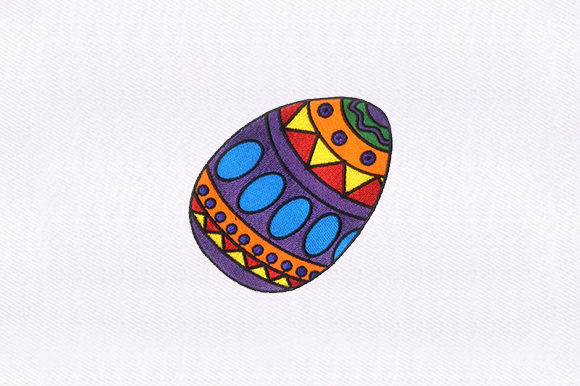
Easter Egg Design Review for Small Business Merchandise
When I first opened the Easter Egg machine embroidery design, I approached it with the same critical eye I bring to every digital embroidery file that crosses my workspace. As someone who has spent years producing embroidered patches, custom apparel, and small business merch for cafes, boutiques, and handmade brands, I know that a design needs to earn its place in production. It needs to stitch cleanly, scale well, and communicate brand identity without shouting. After reviewing Easter Egg from multiple angles, here is my honest assessment for anyone considering it for commercial embroidery projects.
First Impressions: The Visual Personality of Easter Egg
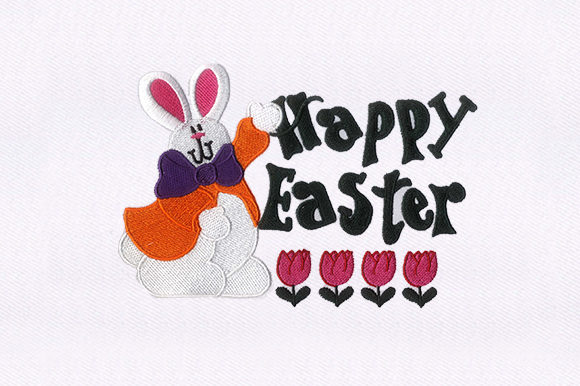
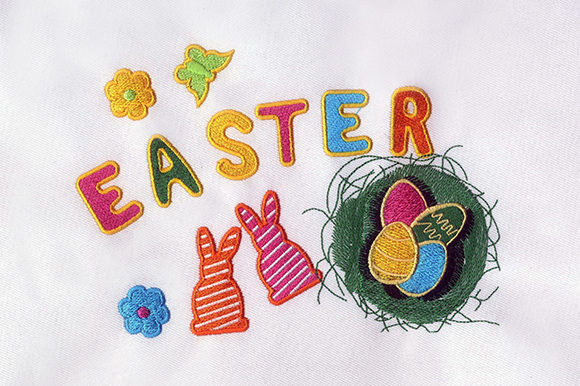
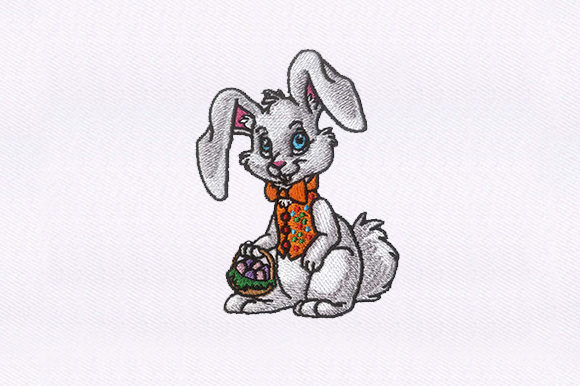
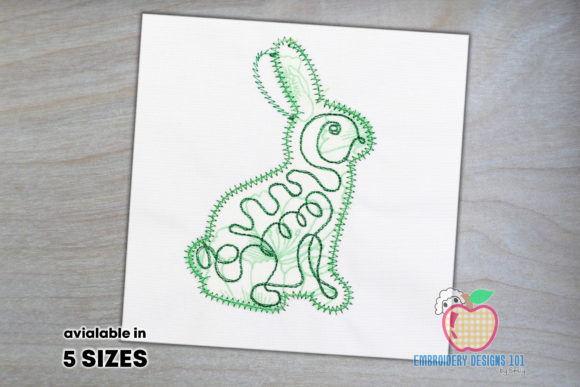
The Easter Egg design reads as playful yet polished. It does not lean aggressively into cartoonish territory, nor does it feel overly precious or decorative. Instead, it strikes a balance that feels appropriate for a handmade product or a small business looking to add seasonal charm without sacrificing professionalism. The design carries a friendly, approachable energy that would work well on apron embroidery for a bakery or cap embroidery for a local florist. It is not so bold that it overpowers a uniform, but it has enough presence to serve as a chest logo accent or sleeve detail on a work shirt. For a patch application, it reads as a tasteful emblem rather than a mere decoration. That distinction matters when you are trying to build brand identity through custom apparel.
I appreciate that Easter Egg does not try to be everything at once. It knows what it is: a machine embroidery design that can anchor a small collection of seasonal merchandise or serve as a repeatable element across design assets. The initial impression is one of controlled creativity. It feels like a design that a thoughtful product designer or Etsy seller could use to elevate a handmade product line without overwhelming the item itself.
Business Applications: Where Easter Egg Shines on Merchandise
Let me walk through the real-world scenarios where I would confidently recommend Easter Egg for production. The design is versatile enough to serve multiple business types, but it performs best in specific contexts.
- Embroidered patches: This is where Easter Egg feels most natural. As an embroidered patch, it can be applied to tote bags, denim jackets, aprons, and staff uniforms. The design holds its shape well and does not rely on extremely fine details that might get lost in patch production. For a small business that wants to offer limited-edition patches as customer gifts or event merchandise, this is a strong candidate.
- Chest logo and sleeve detail: On a custom apparel item like a work shirt or a polo, Easter Egg works as a subtle brand mark. It is not too large or loud, so it reads as a considered design choice rather than a generic seasonal graphic. I would use it as a left chest logo for a café or a creative studio.
- Cap embroidery: The design fits well on a cap front, especially if the cap is a structured style with a reasonable curve. The cap embroidery application works best when the design is scaled appropriately and the thread colors are chosen to contrast with the cap fabric.
- Tote bag design: For a tote bag design, Easter Egg can be stitched as a centerpiece or a corner accent. It adds value to a simple canvas tote, making it feel like a finished product rather than a blank giveaway. This is ideal for small business merch sold at a retail counter or included in a gift with purchase.
- Apron embroidery: Bakeries, coffee shops, and handmade food brands can use Easter Egg on aprons without making the employee look costumed. The design is friendly enough to fit a cozy brand but restrained enough to feel professional.
For Etsy sellers and handmade brands, this design could be a recurring asset across multiple product categories. A printable mockup showing the design on a tote, a cap, and an apron would help customers visualize the finished product before purchasing the digital embroidery file.
Placement Considerations: Using Easter Egg with Care
No design is perfect for every surface, and Easter Egg has specific limitations that I want to highlight for anyone producing commercial embroidery.
- Small patch sizes: If you plan to use this design as a very small patch, such as a 1.5-inch emblem on a cap side or a tiny accent on a cuff, test it first. The design may have internal details that become muddy at very small dimensions. I recommend test it in black and white first to see if the shapes remain readable. If the design loses clarity below a certain size, maintain a minimum width of around 2 inches for the embroidered patch version.
- Cap fronts and curved surfaces: The cap embroidery application requires attention to hoop size and stabilizer. A curved surface can distort the design if the stitch density is too high or the underlay is not adjusted. I recommend using a firm stabilizer and a quality cap frame to keep the design crisp.
- High stitch density: If the Easter Egg design has areas of dense stitching, those spots may cause puckering on lightweight fabrics like dress shirts or thin tote bags. On fabric texture that is loose or stretchy, the design could pull or distort. Use a cutaway stabilizer for stable results on knits and a tearaway for wovens, but always test on the actual garment material.
- Dark uniforms: If you are stitching this design on dark fabric, thread color contrast becomes critical. The design should be tested with light or bright thread colors to ensure the details are visible. A dark-on-dark application will likely hide the design's personality.
- Frequent washing: Items like aprons and staff uniforms go through repeated washing cycles. If Easter Egg has high stitch density or long satin stitches, those areas may be more prone to fraying or distortion over time. I recommend using a quality stabilizer and a dense underlay to extend the life of the embroidery.
For small business owners who are new to machine embroidery, I strongly advise creating a mockup for client approval before committing to production. A printable mockup showing the design on the actual garment style helps avoid surprises and builds trust with the customer.
Brand Identity Impact: How Easter Egg Shapes Customer Perception
The Easter Egg design does more than decorate a product. It communicates something about the brand behind it. When a customer sees an embroidered patch or a chest logo featuring this design, they form an impression of the business's values, attention to detail, and personality.
For a small business that wants to be seen as friendly, approachable, and community-oriented, Easter Egg reinforces that image. It is not a corporate logo; it feels like something a local shop or a handmade brand would choose. That authenticity is valuable for brand identity and customer trust. Shoppers are more likely to remember a business that uses thoughtful, well-executed embroidery on its merchandise. A finished product that looks professional without being generic builds buyer engagement and encourages repeat purchases.
On the other hand, if a business is trying to project a sleek, modern, or minimalist image, Easter Egg may feel too playful. It is a design that leans into warmth and charm. That is a strength for the right audience, but it is important to be honest about the brand fit. A creative studio, a pet brand, a florist, or a bakery will likely find this design aligns perfectly with their visual identity. A tech startup or a law firm, less so.
From a product value perspective, adding Easter Egg to a tote bag or apron elevates the item from a simple blank to a curated piece of small business merch. Customers perceive higher value in embroidered goods, and a well-placed design can justify a higher price point. For Etsy sellers and craft business assets, this design can become a signature element that customers recognize and seek out.
Embroidery Designer Notes: Practical Production Tips
Before you take Easter Egg into production, here are the practical steps I recommend based on my experience with commercial embroidery and digital embroidery file management.
- Test it in black and white first: Stitch a monochrome version of the design on scrap fabric to evaluate the clarity of the shapes, the stitch density, and the overall balance. Black and white testing reveals structural issues that color can hide.
- Check if it works at small patch size: As I mentioned earlier, scale the design down to your intended patch size and stitch a sample. If the details become illegible, either increase the size or simplify the design.
- Review thread color contrast: Choose thread colors that create clear separation between elements. If the design has overlapping shapes, use contrasting colors to keep each area distinct. Test on the actual fabric color.
- Inspect spacing: Look at the spacing between elements in the embroidery file. If areas are too close together, the stitches may push into each other, causing a messy appearance. Adjust spacing in your digitizing software if needed.
- Confirm hoop size: Verify that the hoop size required for Easter Egg fits within your available hoops and the garment area you plan to use. A design that requires a large hoop may be impractical for small items like caps or cuffs.
- Test on real fabric: Always stitch a sample on the exact fabric you plan to use for production. Fabric texture, stretch, and weight all affect how the design performs. A sample on scrap fabric is not enough.
- Use proper stabilizer: Choose a stabilizer that matches the fabric and the stitch density of the design. Cutaway stabilizer is generally safer for dense designs. Tearaway works well for stable wovens but may not hold up under high stitch counts.
- Create a mockup for client approval: Before stitching a batch of items, produce a printable mockup or a single stitched sample so the client can see the design on the actual product. This step prevents costly rework and builds confidence in the final result.
- Compare it beside other design assets: If your brand already has logos, icons, or other design assets, place Easter Egg next to them to ensure visual consistency. The design should feel like part of the family, not an orphan element.
- Confirm commercial licensing before business use: Since the product description lists this as a machine embroidery design, I assume it is a digital embroidery file intended for use in production. However, always verify the license terms before using it for commercial embroidery. Some files are restricted to personal use or require a commercial license for selling the finished product. Do not assume. Check the seller's policy or contact them directly.
These steps are not optional for anyone serious about producing quality custom apparel, embroidered patches, or small business merch. Skipping any of them increases the risk of a disappointing finished product and a frustrated client.
Easter Egg is a solid design choice for the right business. It brings personality, warmth, and professional appeal to merchandise that customers will actually want to wear and carry. With careful testing, appropriate placement, and attention to production details, this design can become a valuable asset in your embroidery file library. I recommend it for small businesses, handmade brands, and creative studios that want to add a touch of seasonal charm without sacrificing quality. As always, test first, produce second, and let the design speak for itself.