Easter Rabbit Embroidery Design Review for Craft Fair Sellers
When you are preparing a weekend craft fair booth, every design you stitch needs to earn its place on your table. I have been producing machine embroidery designs for handmade markets for years, and I know the difference between a design that looks charming on screen and one that actually sells in person. Today I am reviewing Easter Rabbit, a machine embroidery design listed under the Easter category, from the perspective of a designer who has tested hundreds of embroidered products for real customers. This review is for anyone who sells finished embroidered goods at craft fairs, on Etsy, or through a small shop, and wants to know whether this design is worth your time, thread, and stabilizer.
First Impressions of Easter Rabbit for the Craft Fair Booth
The first thing I notice about Easter Rabbit is its name. It promises a classic, recognizable Easter motif that customers immediately understand. When you are standing behind a booth table and a shopper glances at your display, you have about two seconds to catch their attention. A design called Easter Rabbit signals something festive, approachable, and seasonal. Based on the title alone, I expect a design that feels cute and festive rather than ultra-modern or minimalist. That is a strong position for a craft fair product because customers shopping for Easter gifts tend to look for something that feels warm and traditional, not edgy.
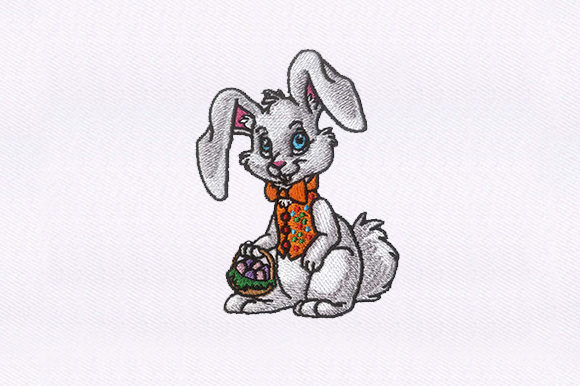
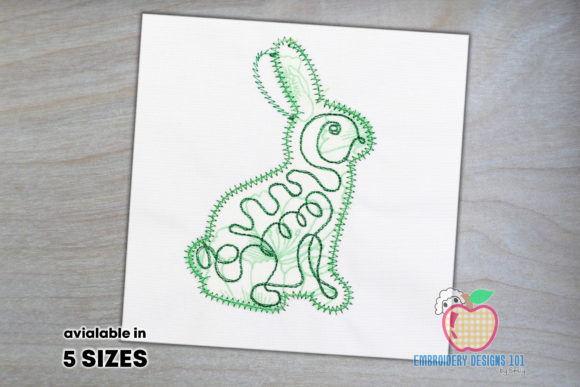
In my experience, designs that read clearly at a glance sell better than intricate pieces that require close inspection. Easter Rabbit has the potential to be that kind of design. A rabbit silhouette, a bunny face, or a full rabbit figure with Easter details can work beautifully as a focal point on a tote bag or a tea towel. The key is whether the embroidery file delivers on that promise of clarity and charm. Before you stitch anything, I recommend opening the design in your embroidery software and looking at it critically. Does the rabbit read as a rabbit immediately? Are the ears distinct? Is there any clutter that might confuse the eye at a distance? These are the questions that matter when you are producing for a booth.
Where Easter Rabbit Shines: Best Product Applications
Over the years, I have learned that not every machine embroidery design works on every product. Easter Rabbit feels versatile enough to perform well on several popular craft fair items, but some applications will give you a better return on your time than others.
Tote Bags and Market Bags
A tote bag with an embroidered Easter Rabbit is a strong seller. Tote bags are affordable, practical, and easy to produce in batches. The design sits well on the front panel, and because most tote bags are made of cotton or canvas, the fabric holds stitches nicely. I would test the design at a size that fills about four to five inches tall on a standard tote. That gives customers a visible design without overwhelming the bag. If the design includes small details like a bow or an egg, make sure those elements are not too tiny to read on a textured canvas surface.
Aprons and Kitchen Towels
Aprons and tea towels are Easter gift favorites. Easter Rabbit on a crisp white or pastel linen towel looks charming and sells well as a hostess gift or a holiday stocking stuffer. For aprons, I recommend placing the design on the chest area or the lower front pocket. On tea towels, a centered design near the hem works best. Be careful with towel texture. Terry cloth or highly textured towels can swallow fine details, so test the design on your specific fabric before committing to a batch. If the design has dense fill areas, a terry topper or water-soluble stabilizer on top can help keep stitches crisp.
Embroidered Patches
Patches are a low-cost, high-margin product that fits perfectly into a craft fair booth. You can stitch Easter Rabbit as a patch on felt or twill, cut it out, and sell it as an iron-on or sew-on patch. Customers love patches for jackets, backpacks, and denim. Because patches are small, the design needs to read clearly at a reduced size. If the design has very fine lines or tiny lettering, it may not shrink well. I always stitch a test patch first and check that the rabbit remains recognizable and the details stay clean.
Pillow Covers and Fabric Pouches
Pillow covers with Easter Rabbit embroidery make lovely seasonal decor. A 12x12 or 14x14 inch pillow cover with a centered design can be a statement piece on a booth table. Fabric pouches, cosmetic bags, and small zipper pouches are also good options. These items appeal to customers looking for a small, giftable item that feels handmade and special. On smaller pouches, the design should be scaled down carefully. Check that the stitch density does not become too heavy for the fabric, especially if you are using a lightweight cotton or linen.
How Easter Rabbit Performs in Photographs and Online Listings
If you sell online as well as at craft fairs, you know that a design must photograph well. Easter Rabbit has good potential for photography because it is a recognizable subject that customers can picture easily. When I photograph embroidered products for Etsy listings, I look for designs that have clear contrast between the thread colors and the fabric. A design with too many similar tones can look muddy in photos. If Easter Rabbit uses a combination of soft pastels and a darker outline or a contrasting background, it will pop in listing images.
I also recommend creating a printable mockup of the design on a tote bag or apron to use in your online shop. Even if you sell the finished product, a mockup helps customers visualize the design on a real item. Because Easter Rabbit is a machine embroidery design, you can stitch one sample, photograph it well, and use that image across multiple listings. Good photography is one of the best investments you can make as a small shop owner.
Production Realities: Stitch Density, Hoop Size, and Fabric Considerations
Before you produce a booth full of Easter Rabbit items, you need to understand the practical side of stitching this design. I always tell sellers to check the stitch count and density of any new embroidery file. A design with very high stitch density can cause fabric puckering, thread breaks, and excessive stiffness. That is especially problematic on lightweight fabrics or items that need to feel soft, like tea towels and apparel.
If the design includes small details like eyes, whiskers, or tiny flowers, test them on your intended fabric. Some fabrics simply cannot hold very fine detail. Dark fabric can also be a challenge. If Easter Rabbit uses light thread colors and you stitch it on a dark towel or bag, you may need a white or light-colored underlay to keep the design opaque. Always test on a scrap piece of the same fabric before you stitch a finished product.
Hoop size is another practical concern. If you only have a 4x4 hoop, you need to check whether the design fits within that area. If the design is larger, you may need a bigger hoop or you can scale it down, but scaling can affect detail readability. I recommend confirming the hoop size requirement before you purchase the embroidery file. If you are producing in bulk, you want a design that fits efficiently in your most common hoop size.
Stabilizer choice matters too. For tote bags and aprons, a medium-weight cutaway stabilizer usually works well. For towels, a water-soluble topping plus a cutaway or tearaway stabilizer helps keep stitches clean. For patches, a heavy tearaway or a fusible stabilizer gives the patch structure. Test each combination and note what works best for Easter Rabbit on your specific products.
Batch Production and Booth Display Strategy
If you decide to produce Easter Rabbit items for a craft fair, think about how to display them. I have found that grouping similar designs together on a booth table creates a cohesive look. If you have multiple Easter-themed designs, display them together. If Easter Rabbit is your only Easter design, make it the star of a small dedicated section. Use a tiered stand or a small easel to elevate embroidered items so customers can see them at eye level.
For batch production, I recommend stitching a few samples first, then producing the rest in one sitting. This helps you maintain consistent tension, thread color, and placement. Keep a record of the stabilizer, hoop size, and settings you used so you can repeat the results. If you are selling at multiple spring markets, you can produce a base stock of tote bags and towels, then add patches and pouches as you gauge customer interest.
Customers at craft fairs often buy based on emotional connection. Easter Rabbit has the advantage of being a seasonal design that people associate with family, gifts, and celebration. If you display it on a beautiful tote bag or a soft towel, and you stitch it cleanly, you give customers a reason to stop and buy. The design itself does the work of attracting attention, but your execution and display determine whether they reach for their wallet.
Final Designer Notes Before You Sew
Before you stitch your first Easter Rabbit product, here is a checklist I use for every new machine embroidery design I evaluate for my shop.
- Test on scrap fabric that matches your final product. Check stitch quality, tension, and fabric stability.
- Review thread contrast. Make sure the design stands out against the fabric color. Light pastels on white may look washed out. Dark threads on dark fabric may lose detail.
- Check spacing and placement. Mark the center of your product and position the design where it will be most visible. For tote bags, that is usually centered horizontally and slightly above the middle. For towels, centered near the hem or off-center near one end.
- Inspect stitch density. If the design feels too dense, consider using a lighter stabilizer or reducing the stitch count if your software allows. Avoid using the design on very thin or stretchy fabric without testing first.
- Confirm commercial licensing. Since Easter Rabbit is a machine embroidery design, verify that your license allows you to sell finished products made from the design. Some designers require a commercial license for selling items at craft fairs or online. Do not assume you are covered. Check the terms before you produce inventory.
- Stitch at least one real mockup. A digital preview is not enough. Stitch the design on the actual product you plan to sell. Photograph it, handle it, and decide if it meets your quality standards. If it does not, adjust your fabric, stabilizer, or hoop size until it does.
These steps may seem basic, but I have seen too many sellers skip them and end up with a table full of products that do not look their best. A well-stitched Easter Rabbit design can be a highlight of your booth. A poorly stitched one can hurt your reputation. Take the time to get it right.
I also recommend comparing fabric colors. A rabbit design often looks best on a soft background like cream, pale pink, light blue, or mint green. These colors evoke Easter without competing with the design. If you offer a few color options, you give customers a choice, which can increase sales. Just be sure to test each fabric color with the design thread colors to confirm the contrast works.
Finally, remember that Easter Rabbit is a seasonal design. Spring markets and Easter craft fairs are your prime selling windows. Produce your inventory early, display it prominently, and price it fairly. A machine embroidery design like this, when stitched with care, can become a reliable seller year after year. I have seen designs like this build a loyal customer base who return each season for new products. Treat your booth as a collection, not just a set of items, and Easter Rabbit can be a charming anchor piece that draws customers in and keeps them browsing.
Whether you are a seasoned Etsy seller or a new craft fair vendor, this design deserves a serious look. Test it, stitch it, and put it on your table. If you treat it with the same care you would any premium embroidery file, it will serve your shop well.